
The new legislation requires Attorney General Pam Bondi to release unclassified investigative records regarding Jeffrey Epstein and Ghislaine Maxwell within 30 days. However, the law provides the Department of Justice with wide discretion to withhold information that could jeopardize active federal investigations or touch upon national security, defense, and foreign policy interests.
In section Newsroom
Epstein Files Law Faces Scrutiny Over National Security Loopholes
President Donald Trump signed the Epstein Files Transparency Act into law this Wednesday, mandating the release of FBI records on the late sex trafficker. Despite the bill’s intent, critics argue that broad redaction powers granted to the Department of Justice could effectively shield the powerful from public accountability.
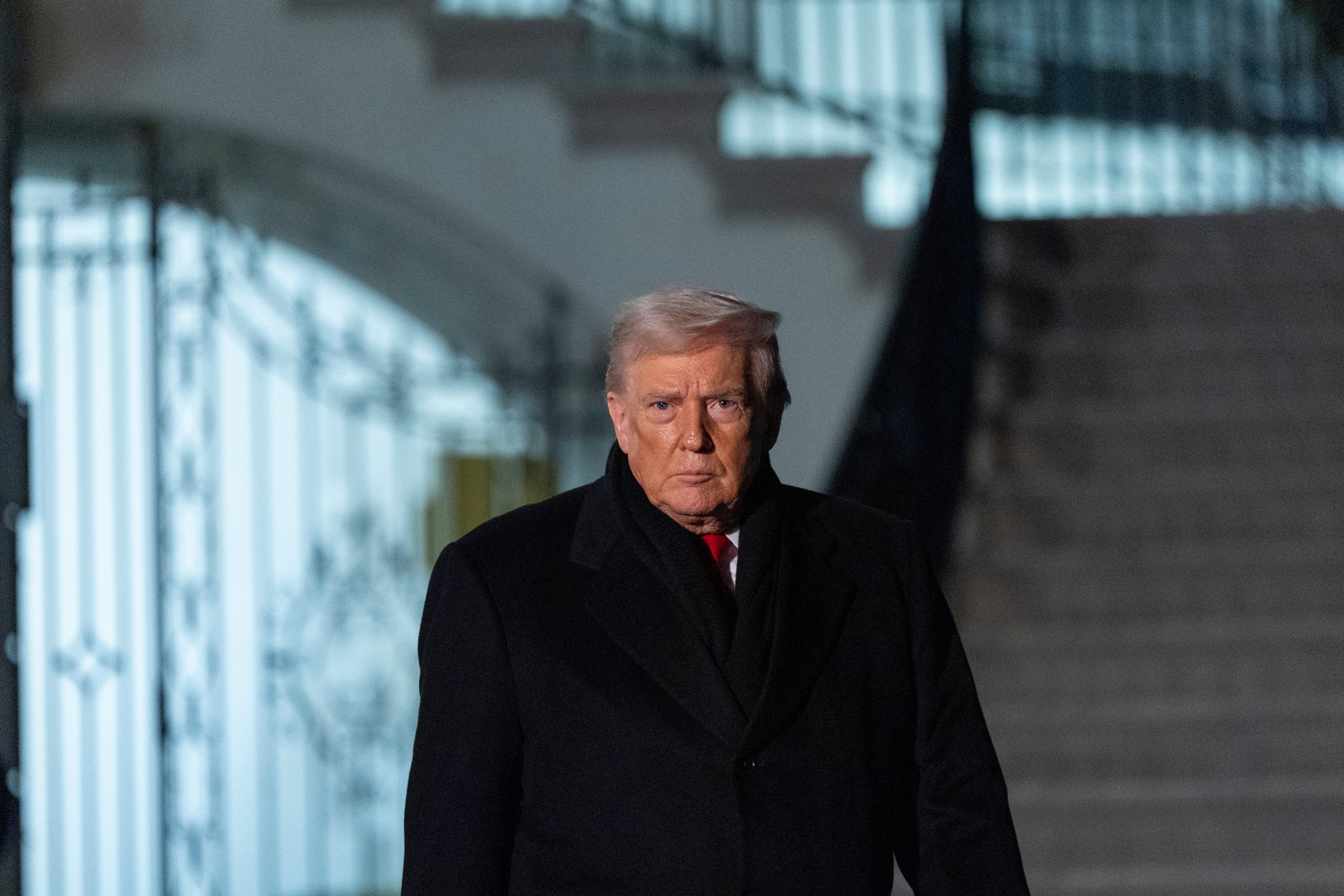
Concerns are mounting that these provisions serve as a catch-all for nondisclosure. Rep. Thomas Massie, a Republican cosponsor of the bill, warned that the DOJ might utilize ongoing investigations into high-profile figures—including Bill Clinton and Larry Summers—as a pretext to scrub sensitive material. Journalists and lawmakers alike have pointed out that the bill lacks clear definitions for what constitutes a national security risk, creating a scenario where the executive branch can suppress information to prevent embarrassment or political fallout. Independent observers remain skeptical, suggesting that the system is essentially testing its own capacity to maintain secrecy under the guise of protecting the state.
Comments (0)
No comments yet. Be the first!