
The "Compendium of Next-Generation Patient-Derived Models for Diverse Cancers," published in Nature, serves as a global repository for 25 different malignancy types, including pancreatic, breast, and lung cancers. Unlike traditional cell lines, which often fail to replicate the complex biology of actual tumors, these organoids mimic the structure and function of patient samples. This allows researchers to test therapeutic responses in a controlled laboratory setting that more accurately reflects clinical reality.
In section Releases
New international organoid bank unlocks precision cancer research
After a decade of development, the National Cancer Institute has released 665 patient-derived organoid models, marking a major shift in cancer research. Led by Cold Spring Harbor Laboratory and Northwell Health, the project provides scientists with high-fidelity, three-dimensional tumor replicas designed to accelerate drug discovery and personalized treatment.
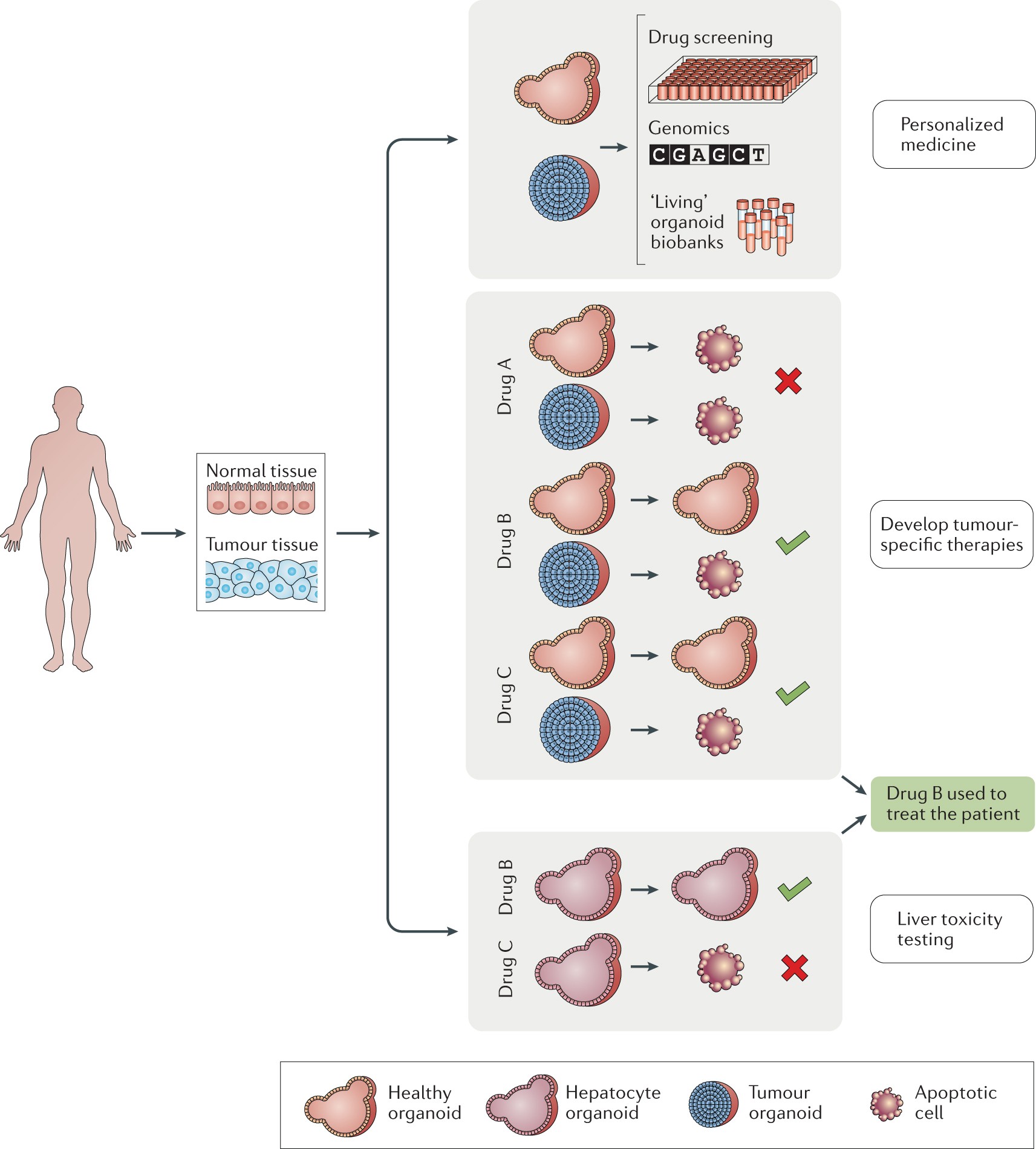
Cold Spring Harbor Laboratory and Northwell Health contributed over 150 models to this international cohort, which emphasizes diversity in both patient demographics and disease rarity. The collection includes 153 models of rare cancers and 71 samples from participants with non-European ancestry, alongside comprehensive clinical data and molecular profiles. By integrating DNA, RNA, and transcriptomic data with living tissue, the initiative aims to fuel the Cancer Dependency Map, helping researchers identify specific tumor vulnerabilities for future therapeutic intervention.
Comments (0)
No comments yet. Be the first!