
Pickhardt’s comments arrived in the wake of a security incident involving Coldcard hardware wallets, where flawed firmware configurations led to predictable seed generation. Security analysis linked these vulnerabilities to the theft of approximately 1,755 BTC. While the Bitcoin protocol itself remains secure, the incident underscores the immense burden placed on individual users who must act as their own bank. Coinkite, the manufacturer behind Coldcard, confirmed that a firmware patch cannot retroactively secure seeds generated under the flawed conditions, forcing users to migrate funds to entirely new wallets.
In section Cryptocurrency
Bitcoin Developer Admits Custody Fears Hindered Investment
René Pickhardt, a prominent Lightning Network researcher, revealed on August 6 that chronic anxiety regarding key management and self-custody security prevented him from accumulating more Bitcoin. His admission highlights the significant, often overlooked, psychological and operational barrier that persists even for those deeply embedded in the protocol's technical development.
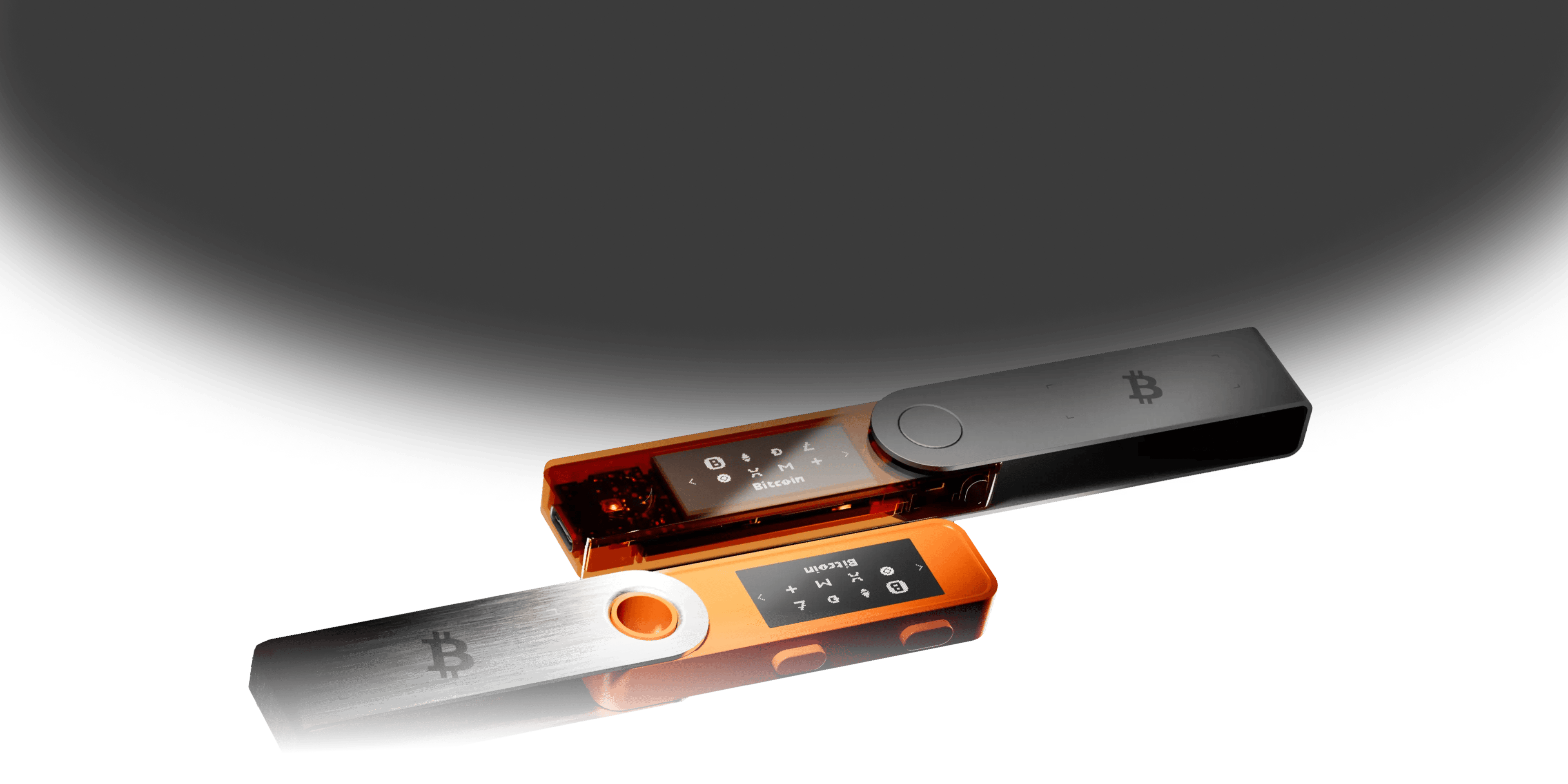
The developer noted that his hesitation was a calculated risk-management choice rather than a critique of Bitcoin’s underlying value. Even with his expertise, Pickhardt cited the daunting reality of managing private keys, including the risks of storage failure and human error. Blockstream CEO Adam Back countered this sentiment, emphasizing that the power of holding bearer assets necessitates an uncompromising commitment to security. The Coldcard exploit serves as a stark reminder that while removing exchange counterparty risk is a foundational goal of the network, it shifts the entire weight of custody—and the potential for catastrophic loss—onto the individual user.
Comments (0)
No comments yet. Be the first!