
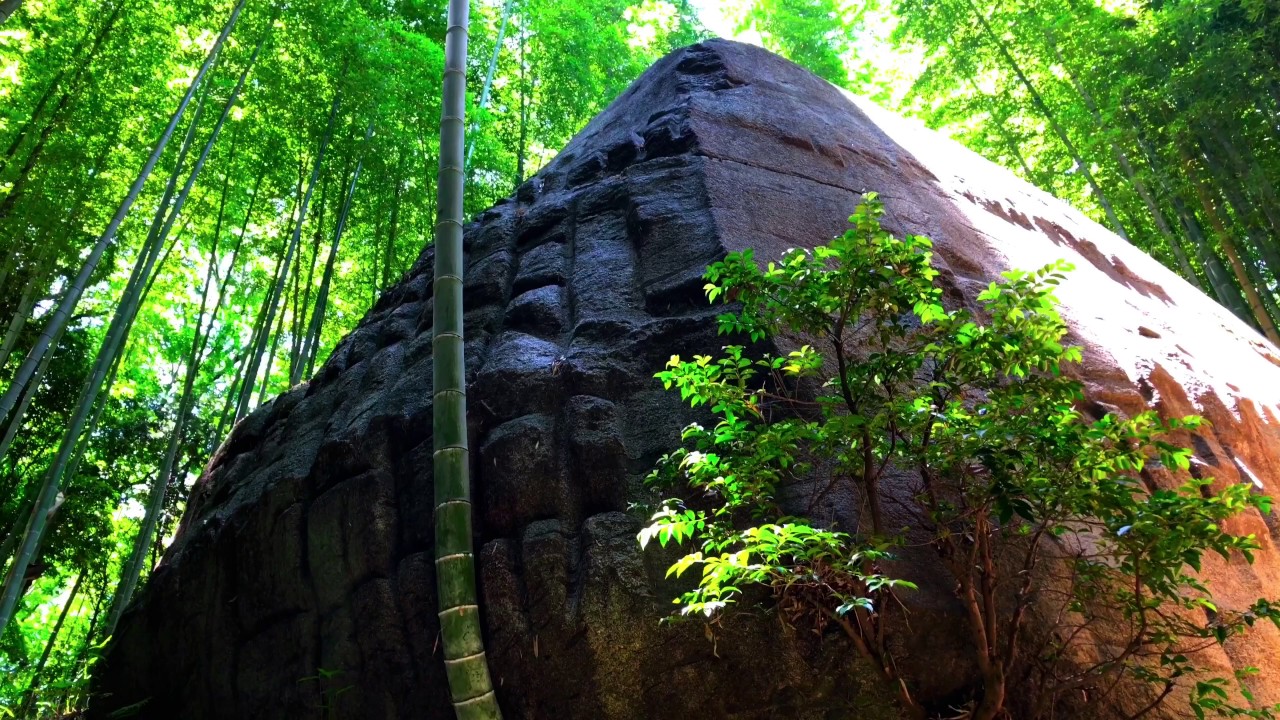
Often cited as the birthplace of the nation, the site encompasses palace ruins, temple complexes, and monumental tumuli. Visitors can explore the Asuka Palace Site and the Asuka-dera Temple, which houses the country’s oldest gilt-bronze Buddha. The area remains defined by its archaeological depth, including the Ishibutai Tumulus, a massive stone chamber, and the mural-adorned Kitora and Takamatsuzuka tombs. These sites offer a tangible connection to the political reforms of Prince Shotoku that fundamentally reshaped early Japanese governance.
In section Releases
Nara's Asuka and Fujiwara Capitals Join UNESCO World Heritage List
The Kansai region has secured its 27th World Heritage designation as the Ancient Capitals of Asuka and Fujiwara were formally inscribed by UNESCO. Spanning Asuka Village, Kashihara, and Sakurai, this historic landscape marks the 6th and 7th-century emergence of Japan’s centralized imperial government.
To mark the inscription, Kintetsu Railway launched the Asuka-Fujiwara Shijin Liner on August 1, 2026. The train features designs inspired by the Four Symbols—mythological guardians depicted in local tomb murals—and serves as a primary transit link for tourists traveling from Osaka, Kyoto, and Nagoya. Beyond the historical sites, the region promotes cultural tourism through ancient costume rentals and local culinary offerings in preserved traditional homes, positioning the newly recognized area as a centerpiece for regional travel.
Comments (0)
No comments yet. Be the first!