
Many homeowners overlook attic performance until structural issues become impossible to ignore. According to Mancuso, uneven room temperatures are the primary red flag. When insulation degrades, the building envelope loses its ability to regulate climate, forcing heating and cooling systems to run continuously. This constant strain not only spikes monthly energy costs but also accelerates the wear on mechanical equipment.
In section Releases
Why Your Attic Insulation Might Be Draining Your Wallet
If your upstairs bedrooms feel like a sauna in July or a freezer in January, your attic insulation may be silently compromising your home’s efficiency. Mike Mancuso, a veteran insulation expert based in Clarks Summit, Pennsylvania, warns that homeowners often ignore these temperature shifts until they manifest as rising utility bills.
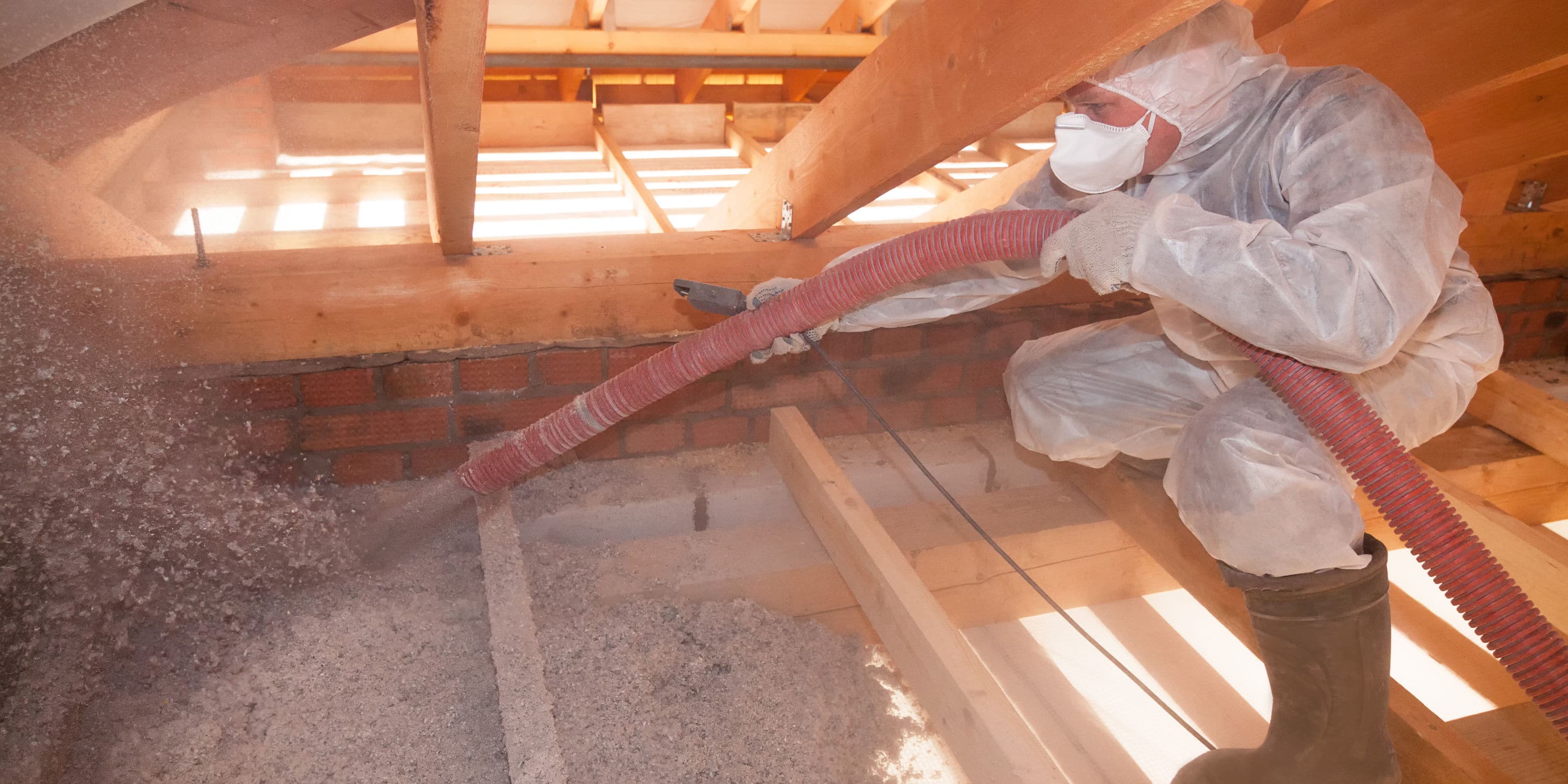
Beyond temperature fluctuations, physical warning signs often lurk in the attic space. Drafts near ceiling fixtures or access panels suggest that conditioned air is escaping through gaps, while visible signs of moisture, mold, or pest damage signal a compromised barrier. In colder climates, the presence of ice dams—caused by warm air leaking into the attic and melting roof snow—serves as a clear indicator that the thermal envelope needs immediate attention. Because insulation naturally settles and loses efficacy over time, periodic evaluations are essential to maintaining a stable, cost-effective home environment.
Comments (0)
No comments yet. Be the first!