
The device relies on a shape-memory biocompatible polymer designed to address a common clinical hurdle: image distortion. Unlike metal coils that frequently create artifacts during CT or MRI scans, this polymer alternative remains radiopaque under fluoroscopy while providing a clearer view for post-procedure monitoring. According to CEO Jim Kasic, the consistency observed across 20 recent cases, involving patients aged 22 to 80, validates the coil as a viable successor to current industry standards.
In section Releases
Embolization Inc. Reaches 125 Implants with Polymer-Based Coil
A Boulder-based startup has surpassed 125 clinical implants of its proprietary radiopaque, polymer-based embolic coil. The device, which secured FDA clearance in 2025, is now seeing regular application across a diverse demographic of patients, marking a shift away from traditional metal-based vascular occlusion materials in peripheral procedures.
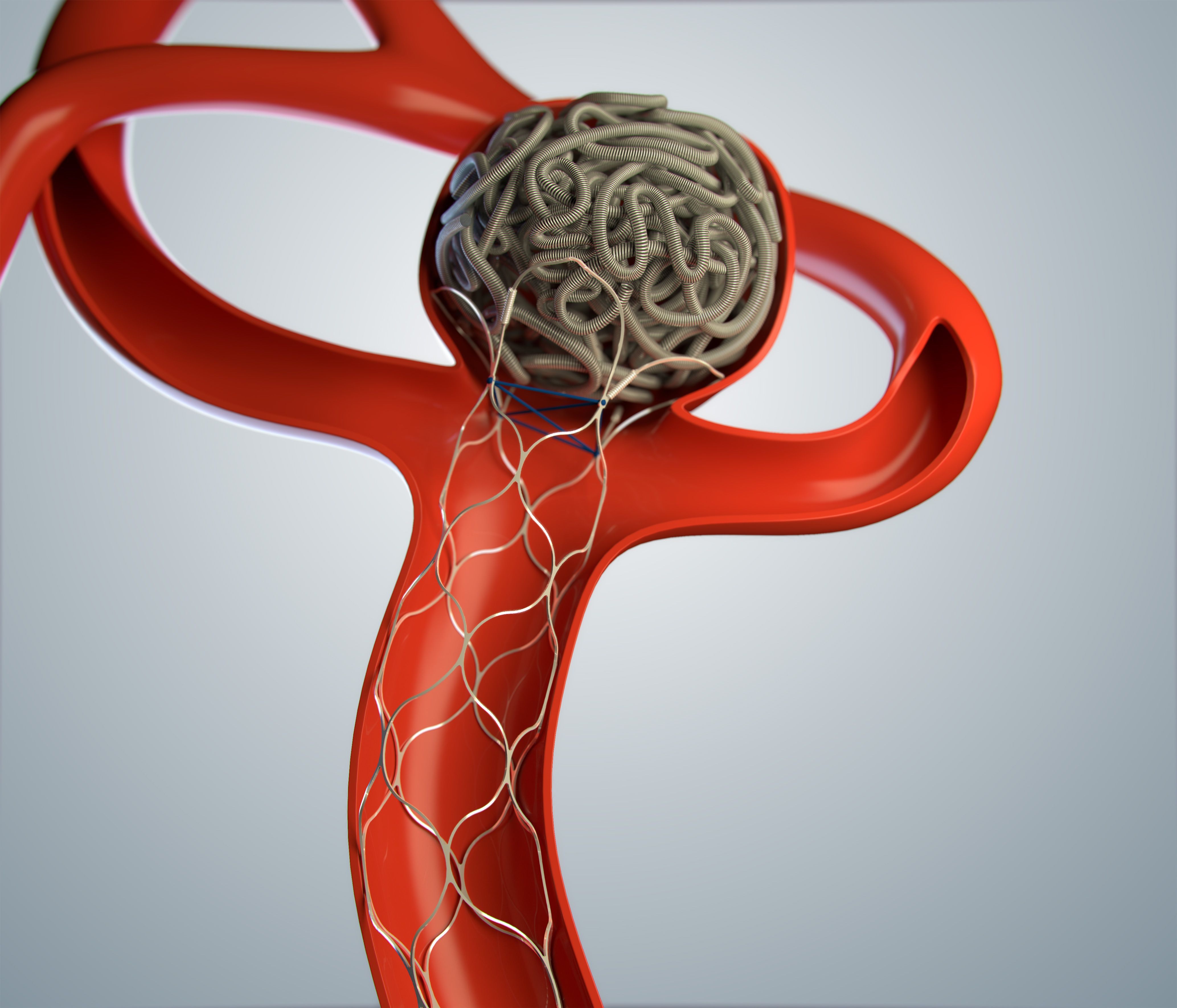
Dr. Richard Kovach, an interventional cardiologist at the Deborah Heart and Lung Center, notes that the ability to achieve rapid vessel occlusion without the limitations of metallic artifacts offers a functional edge in the operating room. While the current 510(k) clearance limits usage to peripheral vasculature, Embolization, Inc. is already eyeing broader applications. The company’s proprietary polymer formulation is being evaluated for potential expansion into neurovascular markets, where precision and imaging clarity are critical for patient outcomes.
Comments (0)
No comments yet. Be the first!