
The company’s hypothesis bridges findings from a recent preclinical microcirculation study and a Phase I sublingual pilot trial. In the rat model, topical application of VAS-101 preserved tissue oxygenation and arteriolar diameter during vaso-occlusive episodes. Meanwhile, the clinical pilot observed that minimal-dose sublingual administration delayed the point of red blood cell sickling in patients, a result achieved at concentrations too low for traditional direct hemoglobin-binding effects.
In section Releases
Vascarta Proposes New Mechanism for Vasceptor in Sickle Cell Treatment
Vascarta Inc. has unveiled a mechanistic framework linking Vasceptor (VAS-101) to improved red blood cell kinetics in sickle cell disease, suggesting the drug functions by mitigating oxidative stress and vascular hypoxia rather than through direct, high-concentration inhibition of hemoglobin S polymerization.
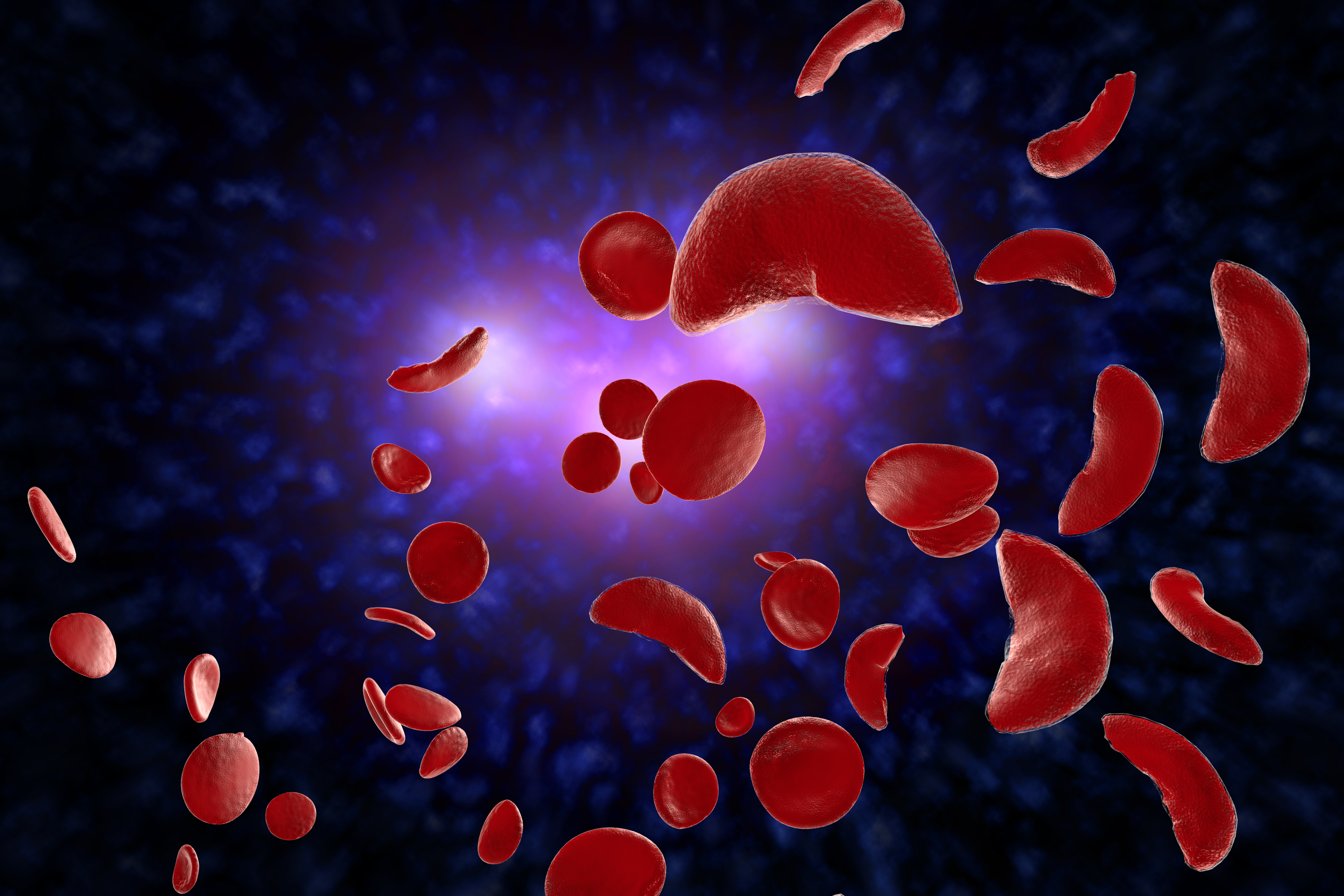
Vascarta suggests that the drug likely operates by reducing the systemic oxidative burden that drives cell dehydration and membrane rigidity. By stabilizing the vascular environment and providing catalytic antioxidant protection to red blood cells, Vasceptor may interrupt the feedback loop between repeated hypoxia and cellular damage. Dr. Joel Friedman, Vascarta’s Chief Science Officer, noted that these datasets suggest the treatment acts upstream of the hemoglobin molecule itself. While the company maintains that this framework requires further validation through dedicated chronic models and biomarker assays, the proposed mechanism will guide Vascarta’s upcoming clinical development and IND submission later this year.
Comments (0)
No comments yet. Be the first!