Patients often confuse standard vision checks with medical eye evaluations, yet the distinction is critical for long-term health. Dr. Harlan Snyder of Snyder Optometry in Alhambra, California, clarifies that while routine exams focus on refractive needs like glasses, medical care is essential for diagnosing and managing underlying eye diseases.
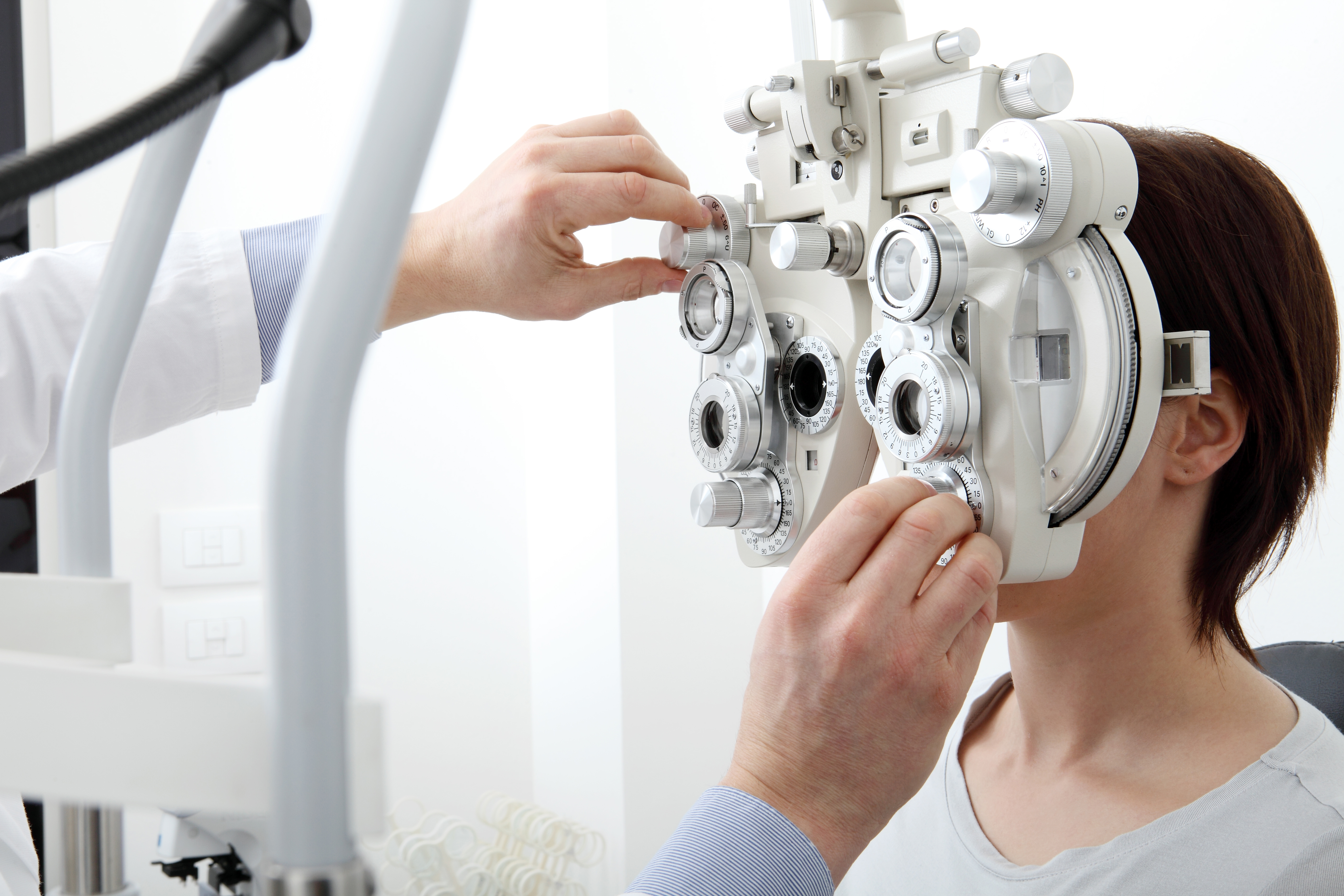
Routine vision exams primarily address how clearly a person sees by assessing visual acuity and determining if a prescription for lenses requires an update. These appointments are designed to correct nearsightedness, farsightedness, and astigmatism, ensuring comfort for daily activities like driving or reading. While providers look for basic signs of disease during these visits, the primary objective remains the calibration of optical correction.
Medical eye care shifts the focus toward diagnosing and treating conditions that threaten vision or ocular function. Patients experiencing symptoms such as persistent redness, eye pain, flashes of light, floaters, or sudden vision changes require a diagnostic evaluation rather than a simple prescription update. Conditions including glaucoma, cataracts, macular degeneration, and diabetic eye disease often develop with minimal early symptoms, making professional medical monitoring vital to preventing permanent vision loss.
Blurry vision itself acts as a deceptive indicator, as it may stem from internal disease rather than an outdated prescription. Comprehensive exams, which inspect the retina, optic nerve, and internal eye pressure, provide a deeper level of assessment that basic screenings cannot replicate. Individuals with chronic health issues such as diabetes, high blood pressure, or a family history of eye disease should prioritize these comprehensive evaluations to detect warning signs before damage progresses. By treating routine exams and medical care as complementary services, patients can better manage their ocular health throughout their lives.

Comments (0)
No comments yet. Be the first!