
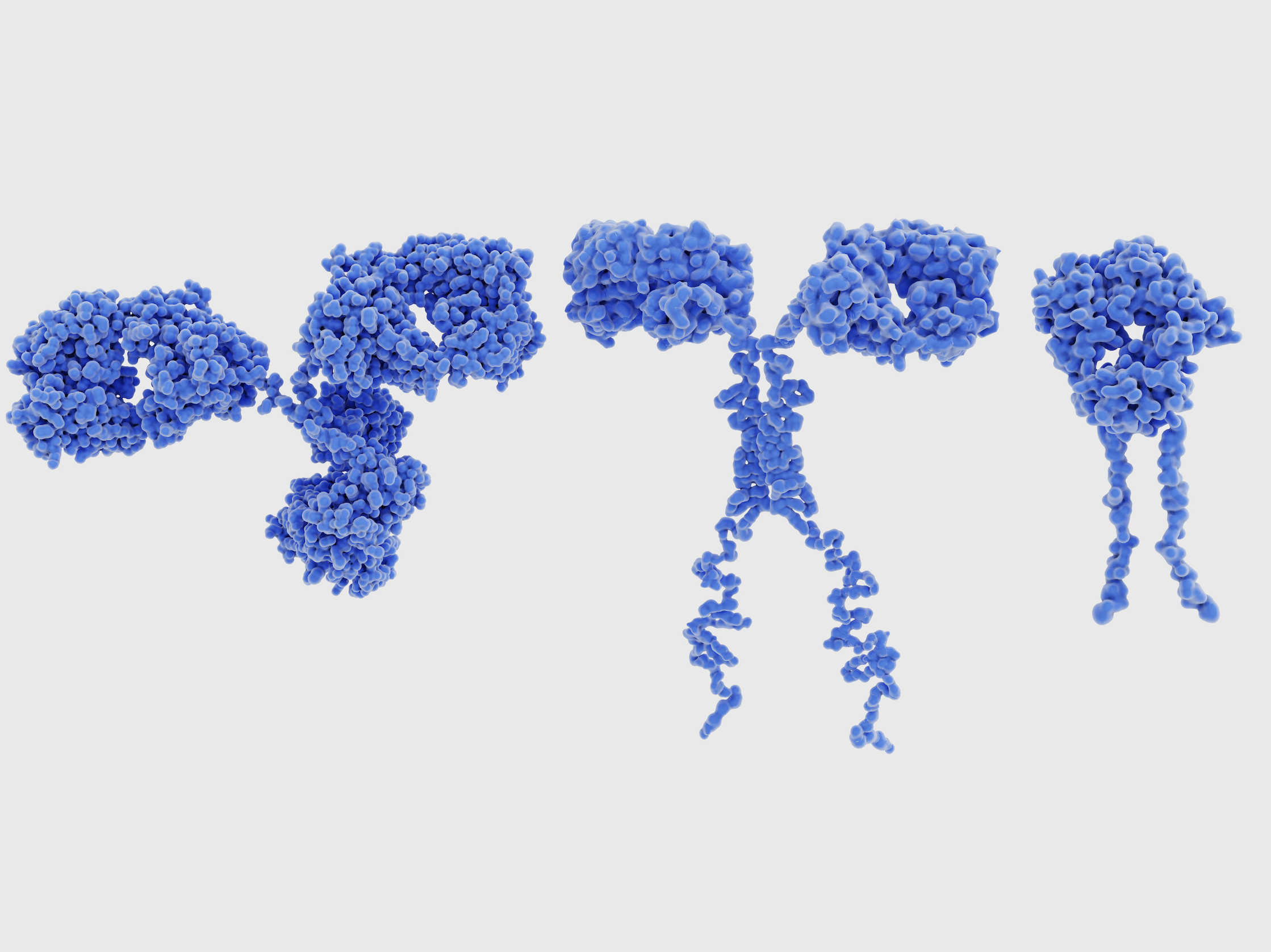
The AIntibody benchmark serves as a rigorous, blinded test for AI in drug discovery, requiring models to predict successful antibody modifications using limited initial data. In the competition's primary task, participants were provided only with early-stage sequencing data and tasked with designing antibodies that were both high-affinity and developable. Unlike retrospective studies that rely on existing datasets, this challenge forced models to propose novel sequences that were then synthesized and validated in independent wet-lab environments.
Aureka’s model, AuraIDE, produced a candidate with a 2,000-fold affinity improvement over the parental antibody, outperforming the best result achieved through three months of manual phage maturation experiments. The model's success was not limited to a single hit; it secured three of the top five positions in the first challenge and maintained top-ten rankings across all three competition categories. Crucially, the winning design deviated significantly from the provided training data, suggesting the model successfully learned the fundamental rules of antibody binding rather than merely recombining existing sequences.
Comments (0)
No comments yet. Be the first!