Defining the Scope of Commercial Cleaning Services
Effective facility maintenance hinges on matching cleaning protocols to the specific rhythm of a workspace. Katie Woulfe, a cleaning expert at A Team Cleaning in Gillette, Wyoming, outlines how businesses can tailor service plans to address unique traffic patterns, surface materials, and security requirements for more consistent results.
By Money Talk·September 1, 2026·2 min read·2,520 reads
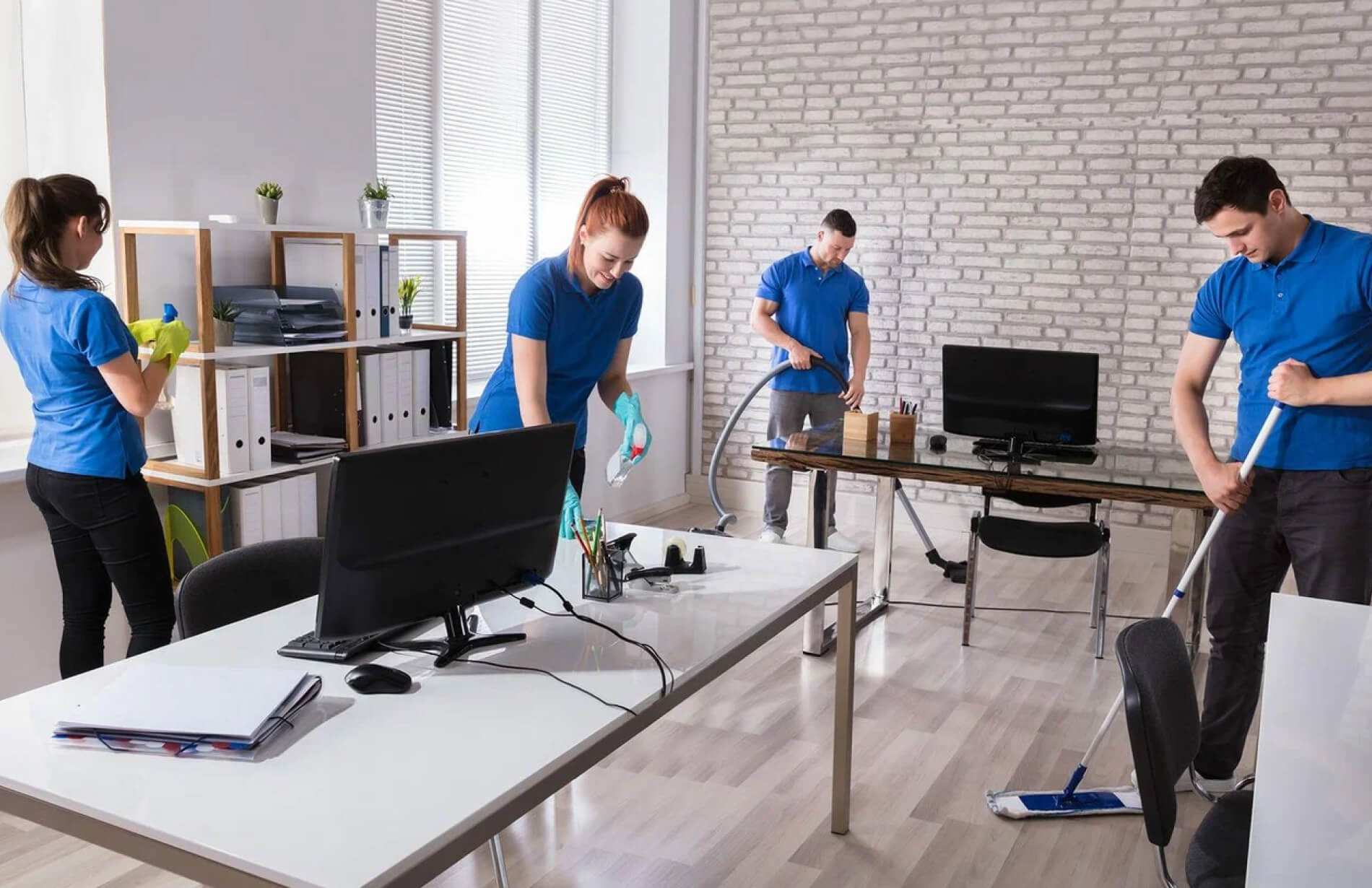
Commercial cleaning is rarely a one-size-fits-all endeavor. According to Woulfe, the most successful programs are built around the actual utility of a space rather than a generic checklist. Areas like restrooms and high-traffic breakrooms require different frequencies than private offices or underutilized conference rooms. By auditing building use, facility managers can prioritize high-touch surfaces such as door handles and light switches while scaling back on less active zones.
Floor care remains a primary variable in most service agreements. Routine tasks like vacuuming and mopping are often bundled into daily or weekly contracts, but specialized work—such as carpet extraction or deep concrete scrubbing—frequently falls outside these standard arrangements. Distinguishing between regular maintenance and periodic treatments prevents budget surprises and ensures that equipment needs are met.
Operational logistics also dictate the effectiveness of a cleaning plan. Establishing clear access protocols, including alarm codes and security clearance for restricted rooms, must happen before a contract begins. As facility needs fluctuate due to seasonal weather, construction, or staffing shifts, regular reviews of the cleaning schedule ensure that resources remain aligned with current conditions rather than legacy requirements.

Comments (0)
No comments yet. Be the first!