
The shift toward automated field management is fundamentally changing how large-scale farms operate. Rather than investing in expensive hardware and specialized pilot training, producers are increasingly turning to outsourced drone services. This recurring revenue model allows operators to deploy fleets across multiple properties throughout the growing season, providing high-resolution thermal and multispectral data that helps identify irrigation, pest, or nutrient issues before they result in significant yield losses.
In section Releases
Precision Agriculture Shifts from Niche Tech to Airborne Standard
The global agricultural drone market is bracing for a surge, with projections suggesting a climb from $5.19 billion in 2026 to $18.03 billion by 2034. As farmers move away from manual labor, the industry is pivoting toward Drone-as-a-Service models to manage crop health, spraying, and seeding with autonomous precision.
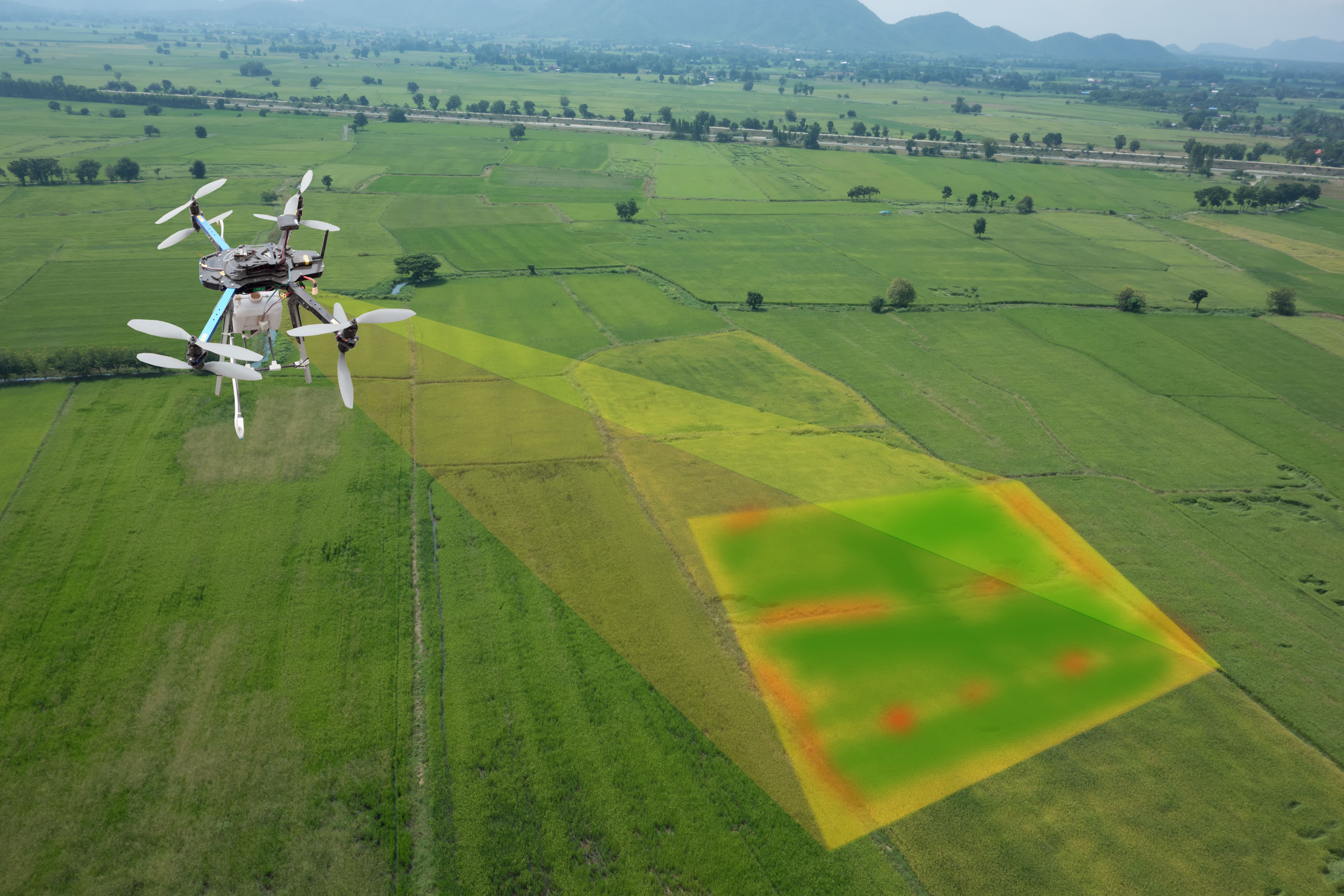
Technological advancements are accelerating this transition. ZenaTech, for instance, has entered the fray with its IQ Octo prototype, an autonomous platform designed specifically for precision spraying and seeding. By reducing soil compaction and labor requirements, such systems are moving beyond simple observation to active intervention. Meanwhile, the regulatory environment is beginning to catch up with these capabilities; companies like Draganfly have secured FAA exemptions for heavy-lift operations, signaling that authorities are increasingly willing to accommodate larger, more capable unmanned systems in the national airspace.
Comments (0)
No comments yet. Be the first!