
The dispute centers on Robinhood's use of tokens that offer economic exposure to companies like AMC Entertainment without granting holders actual shareholder rights. Tenev asserts that as long as these instruments do not alter an issuer’s corporate records, shareholder obligations, or transfer-agent duties, they function as independent debt securities. He likens these tokens to unsponsored American depositary receipts or options, which reference publicly traded shares without requiring the approval of the underlying company.
In section Cryptocurrency
Robinhood CEO Defends Tokenized Stocks Against Issuer Veto
Robinhood CEO Vlad Tenev has challenged the notion that public companies hold veto power over third-party stock tokens, arguing that issuer consent should hinge on the legal rights created by a financial product rather than its reliance on blockchain technology.
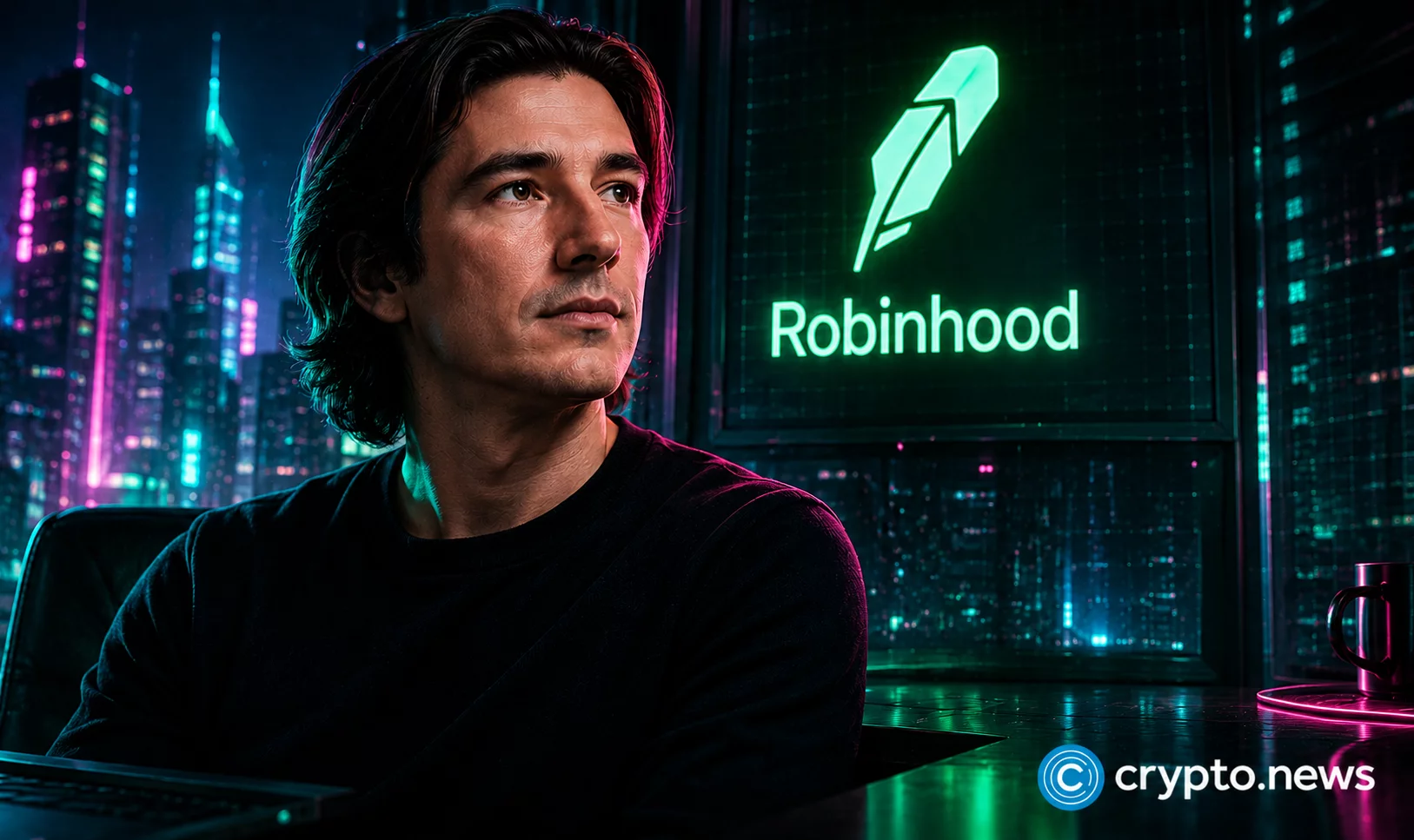
AMC CEO Adam Aron has publicly contested this model, claiming the tokens were launched without his company’s authorization and threatening legal action. While AMC has questioned whether the product confuses investors, the current legal landscape remains unsettled. No court ruling or SEC enforcement action has yet mandated that issuers must approve such derivative instruments. Robinhood’s structure, which relies on a Jersey-based issuer and one-to-one backing by equity, aligns with a taxonomy suggested by SEC staff, which distinguishes between issuer-sponsored tokens and unaffiliated third-party products. For now, Robinhood continues to offer these tokens exclusively outside the United States, keeping them distinct from the SEC-regulated markets where AMC shares are traded.
Comments (0)
No comments yet. Be the first!