
A top coat serves as a maintenance tool rather than a restoration project. By lightly abrading the existing finish, technicians can apply a fresh layer of polyurethane or water-based sealant. This process typically takes one to two days, generates minimal dust, and is ideal for floors where the underlying wood remains in good condition. Because it removes no wood, this method can be repeated multiple times to combat the effects of seasonal humidity and daily foot traffic.
In section Releases
Hardwood Maintenance: Choosing Between Top Coating and Refinishing
Many homeowners mistakenly believe that dull finishes or light scratches require a complete floor overhaul. Steve Klaasen of Klaasen Wood Floors clarifies that distinguishing between a simple top coat and a full refinishing process is the most effective way to protect hardwood floors while avoiding unnecessary wear and expense.
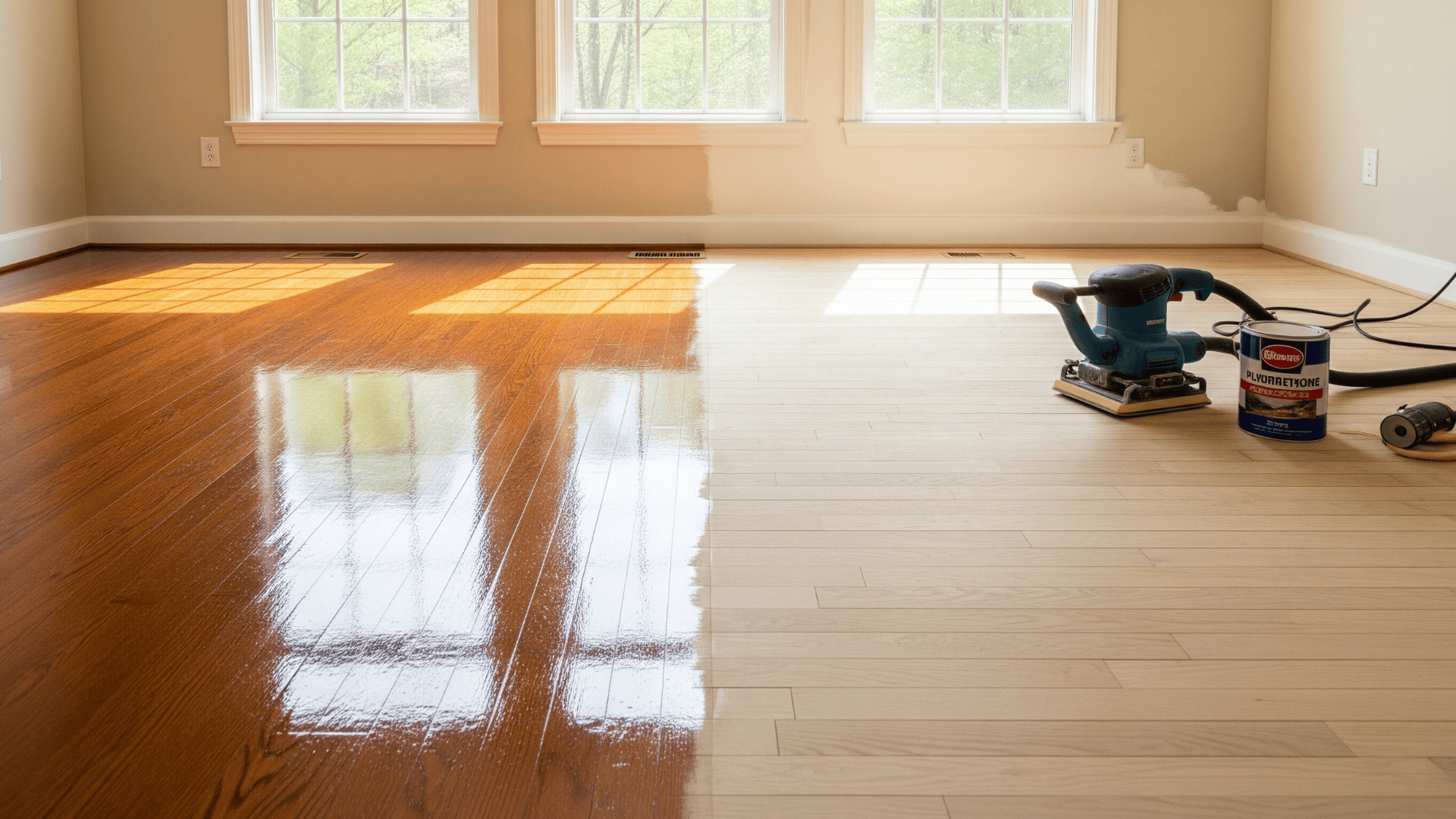
Refinishing is a more invasive process reserved for deep damage, discoloration, or aesthetic changes. It requires sanding the floor down to the bare wood, which removes a thin layer of the material each time. While this effectively erases stains and heavy wear, it is limited by the thickness of the floor's veneer, particularly in engineered hardwood. Klaasen emphasizes that professional assessment of the wear layer is necessary before choosing this path. Ultimately, matching the maintenance method to the floor's specific state of repair ensures the longevity and visual appeal of the wood for years to come.
Comments (0)
No comments yet. Be the first!