
The proposal, signed by agency director Brian Nesvik, represents a significant departure from established legal standards. Critics argue that because most harm to endangered species occurs incidentally during industrial or commercial operations, the shift effectively guts the law’s primary enforcement mechanism. Andrew Mergen, a former Department of Justice official and current Harvard law professor, characterized the move as an unprecedented assault on the act’s ability to prevent wildlife loss.
In section Newsroom
Trump Administration Memo Seeks to Decriminalize Accidental Wildlife Killing
The Trump administration is moving to strip core protections from the Endangered Species Act by narrowing the definition of illegal harm to only intentional acts. An internal Fish and Wildlife Service memo suggests that accidental killing of protected animals during economic activity would no longer be considered a violation of federal law.
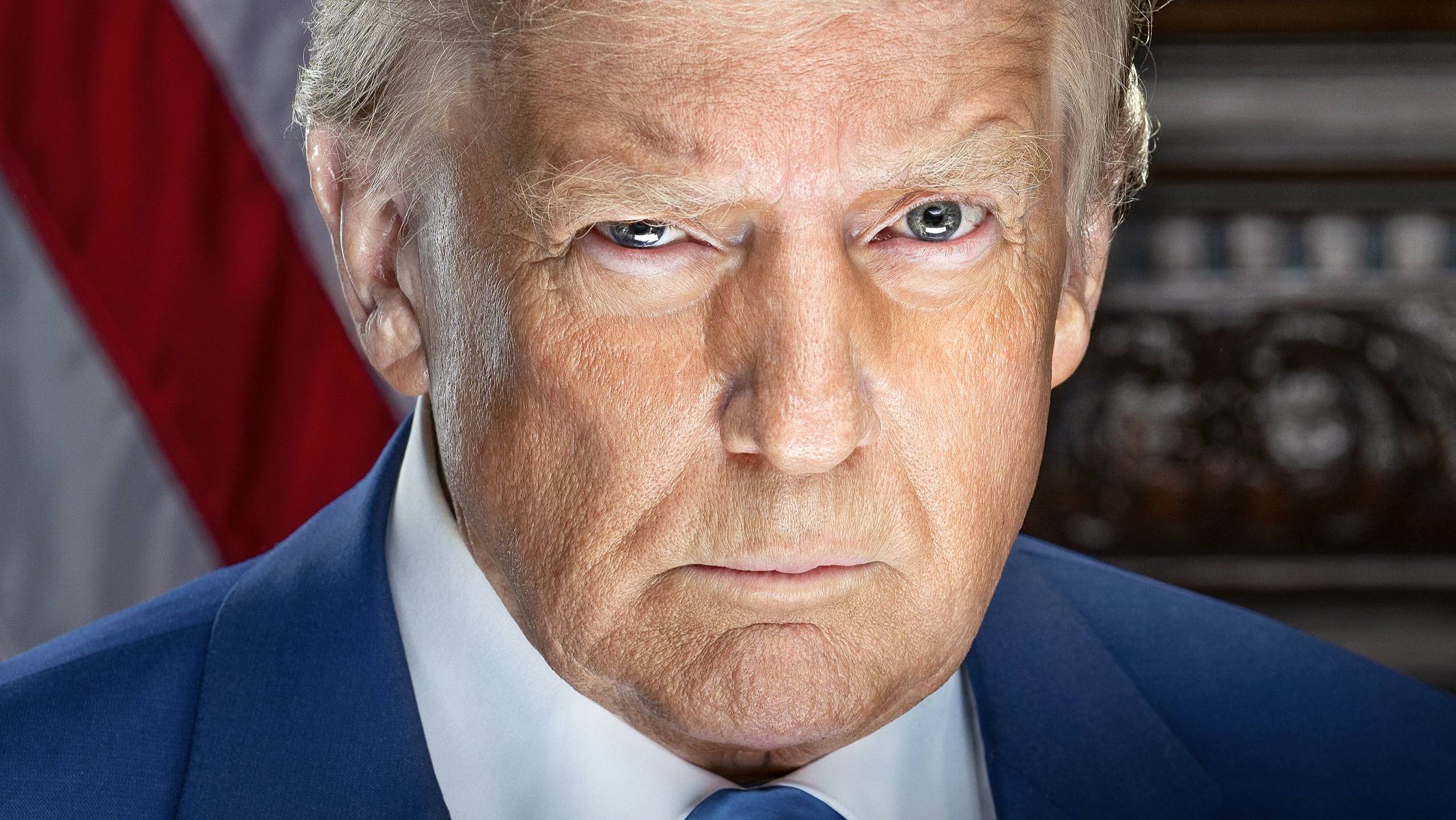
This development follows a broader pattern of regulatory rollbacks affecting the 1973 law. On September 14, a separate policy took effect that limits the definition of habitat harm, a change previously denounced by conservationists as a death knell for native species. Legal challenges and legislative efforts are already underway to counter these changes. Senators Adam Schiff and Sheldon Whitehouse have introduced a resolution under the Congressional Review Act to repeal the habitat policy, while Representatives Brian Fitzpatrick and Mike Quigley are pushing the Safeguarding Endangered Species Act to restore original protections.
Comments (0)
No comments yet. Be the first!