
Hou Jinlong, President of Huawei Digital Power, framed the energy transition as a shift toward decarbonization and intelligence, noting that different economies face distinct hurdles—from system safety in high-penetration regions to basic access in underdeveloped areas. Experts argued that the traditional energy landscape is being replaced by local solar and storage resources, necessitating a move toward "silicon-based programmable systems" where stability is a designed capability rather than an inherent physical trait.
In section Releases
Grid-Forming Technology and AI Emerge as Keys to Global Energy Stability
Industry leaders and researchers gathered in Shenzhen on September 15 for the 2026 Global Low-Carbon Industry Forum, launching a joint initiative to integrate grid-forming technology with artificial intelligence. The effort aims to stabilize power systems and extend electricity access to the nearly 700 million people currently living without it.
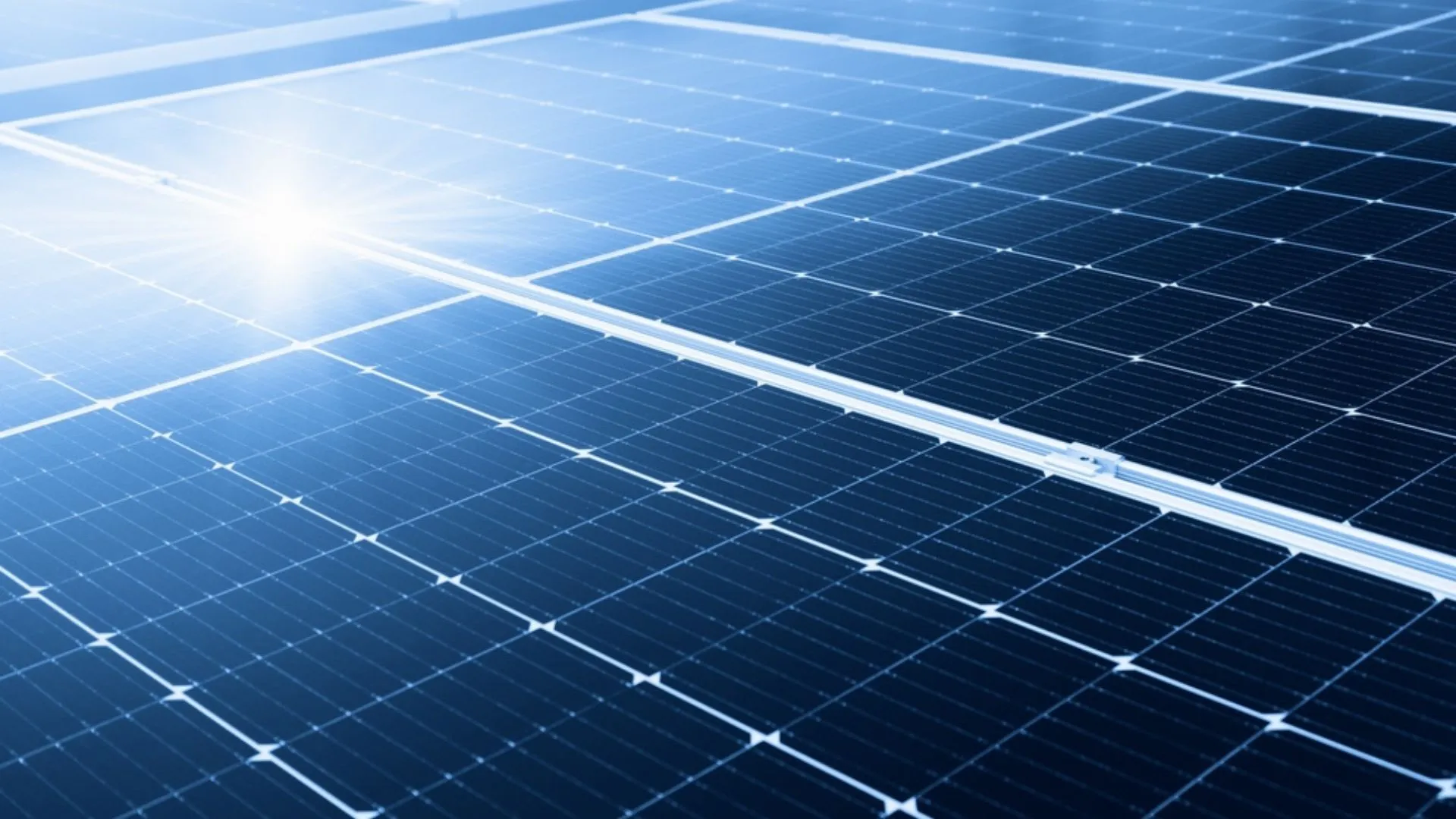
Technological implementation is already moving beyond theory. Antonio M. Abuel Jr. of Terra Solar Philippines highlighted the operational success of the world’s largest solar and storage project, which now powers 2.4 million households. Meanwhile, research from Fraunhofer IWES confirmed that megawatt-level grid-forming tests have met rigorous German standards, proving that battery systems can provide essential inertia and frequency support. To scale these solutions, the newly formed Global Joint Initiative intends to standardize AI-driven energy management, turning data centers and massive renewable plants into active, grid-supporting assets.
Comments (0)
No comments yet. Be the first!