
Healthcare systems are increasingly pivoting toward continuous, off-site monitoring to combat rising rates of chronic disease and the high costs associated with hospital readmissions. According to a new report from Wissen Research, the integration of cellular-enabled hardware and predictive AI analytics is allowing providers to move beyond passive data collection. These technologies now enable clinical teams to identify health complications before they escalate into emergencies, effectively shifting the focus from reactive treatment to proactive care.
In section Releases
Remote Patient Monitoring Market Poised to Hit $62 Billion by 2031
The global market for remote patient monitoring is set to nearly double over the next five years, climbing from $34.5 billion in 2026 to $62.2 billion by 2031. Driven by the expansion of hospital-at-home models and AI-driven diagnostics, the sector is experiencing a steady compound annual growth rate of 12.5%.
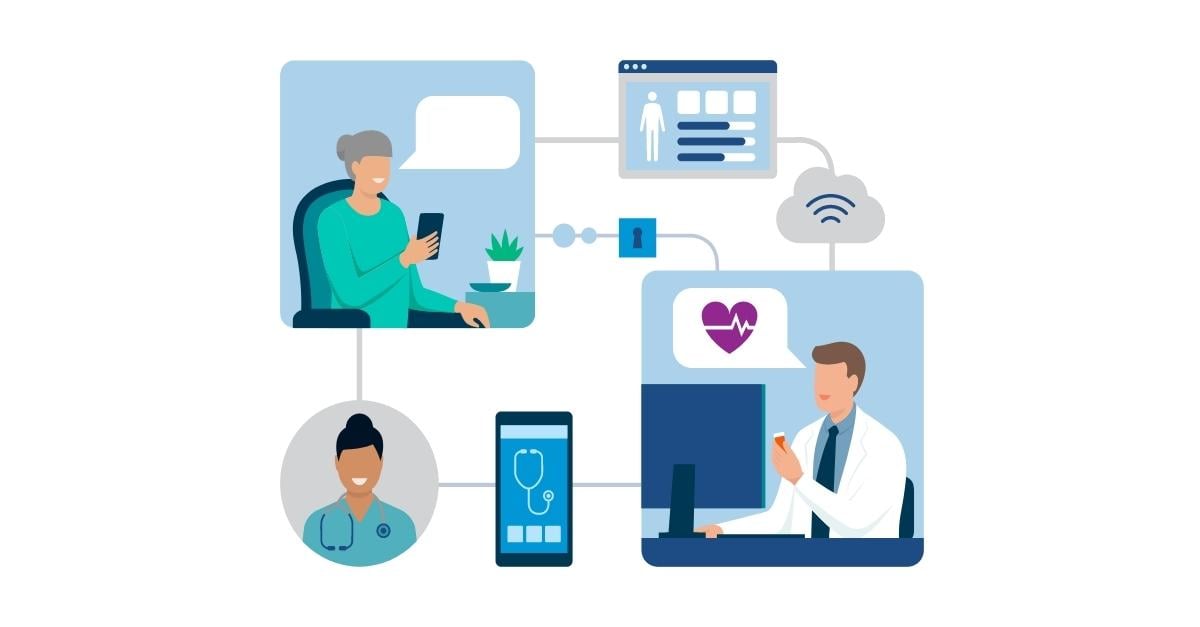
This transition is bolstered by broader adoption of value-based care models, where reimbursement frameworks now incentivize the use of remote tools. While North America remains the dominant market due to mature digital infrastructure and dedicated billing codes, the Asia-Pacific region is emerging as the fastest-growing territory. Despite this momentum, the industry faces persistent friction, including cybersecurity risks, the challenge of integrating fragmented IT systems, and heightened regulatory scrutiny over billing practices. Success for providers and manufacturers will depend on their ability to simplify device interoperability and reduce the "alert fatigue" currently straining clinical staff.
Comments (0)
No comments yet. Be the first!