SEC Commissioner Peirce Proposes Zero-Knowledge Proofs for KYC
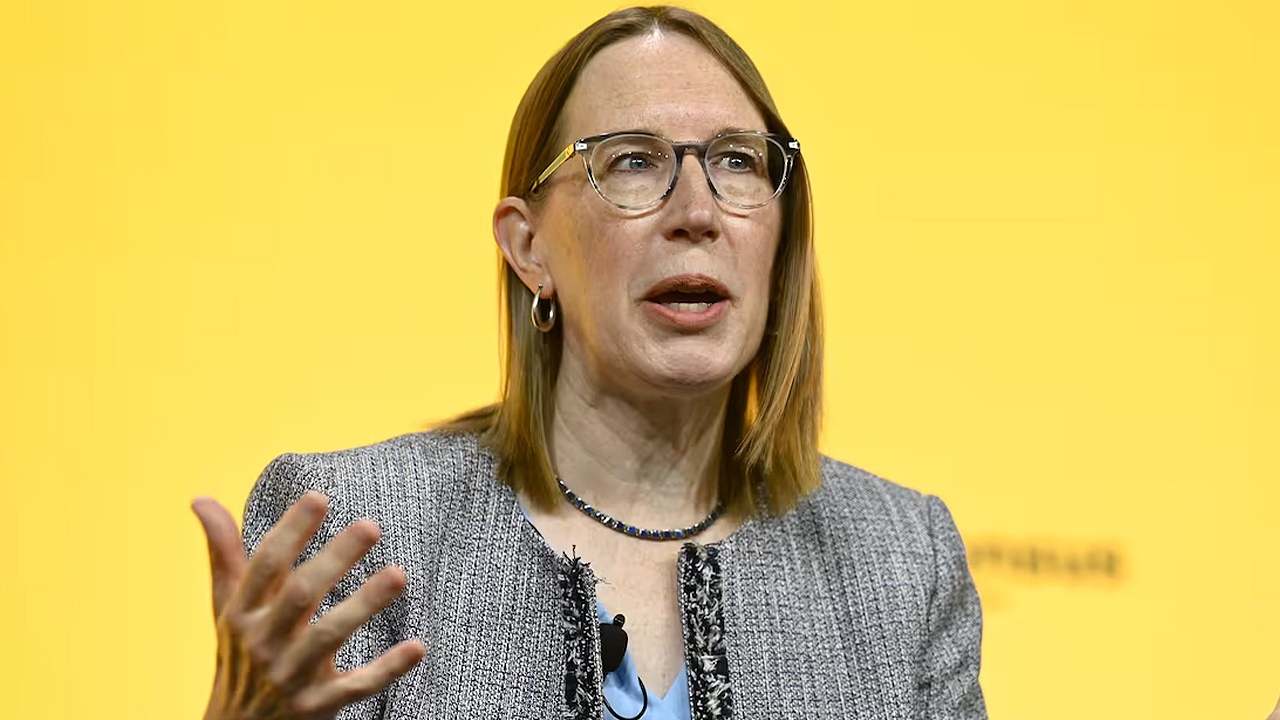
SEC Commissioner Hester Peirce has urged financial regulators to pivot away from massive data collection, advocating for the adoption of zero-knowledge proofs to streamline compliance. Speaking at SIFMA’s 2026 Digital Assets Conference, she argued that current identity verification requirements are turning financial infrastructure into a vulnerable surveillance panopticon.
By WildWeb24·September 25, 2026·2 min read·360 reads
Peirce’s proposal centers on the use of attribute-based credentials, which would allow institutions to verify essential details—such as age, citizenship, or sanctions status—without requiring access to a user’s underlying sensitive information. By shifting toward these cryptographic methods, financial firms could satisfy regulatory mandates while significantly reducing the volume of personal data stored in their "ever bigger data haystacks."
The commissioner’s remarks arrive as the SEC explores privacy-preserving technologies. Internal agency discussions have already included meetings with firms like Aztec Laboratorium Limited to evaluate how ZKPassport and similar systems might function within existing frameworks. However, Peirce emphasized that her comments represent her personal policy views rather than a formal shift in SEC rules. For now, broker-dealers remain bound by current Customer Identification Programs and anti-money-laundering obligations.
Beyond privacy, Peirce addressed the agency’s recently issued five-year Innovation Exemption, which allows tokenized stocks to trade via permissioned automated market makers. While the move aims to foster domestic growth for tokenized equities, the Securities Industry and Financial Markets Association has flagged potential risks. SIFMA CEO Kenneth Bentsen Jr. warned that parallel markets for tokenized securities could lead to liquidity fragmentation and investor confusion. The SEC continues to accept public comments on the temporary framework as it evaluates the long-term viability of these digital asset regulations.

Comments (0)
No comments yet. Be the first!