
Iranian Foreign Minister Abbas Araghchi recently outlined a proposal to cease hostilities and reopen the strategic waterway, contingent upon the release of $12 billion in frozen assets and the lifting of U.S. sanctions and naval blockades. While an American official described the mediated discussions as constructive, Washington remains cautious, mindful of the collapse of previous agreements that failed to stabilize the region throughout the summer. The uncertainty surrounding these diplomatic efforts remains a significant variable for global energy markets.
In section Cryptocurrency
Bitcoin and Ethereum Eye Geopolitical Shifts in Strait of Hormuz
Renewed negotiations between the United States and Iran have sparked fresh market optimism, as a proposed seven-day plan to reopen the critical Strait of Hormuz offers a potential reprieve from the energy-driven inflation and rising Treasury yields that have recently pressured risk assets like Bitcoin and Ethereum.
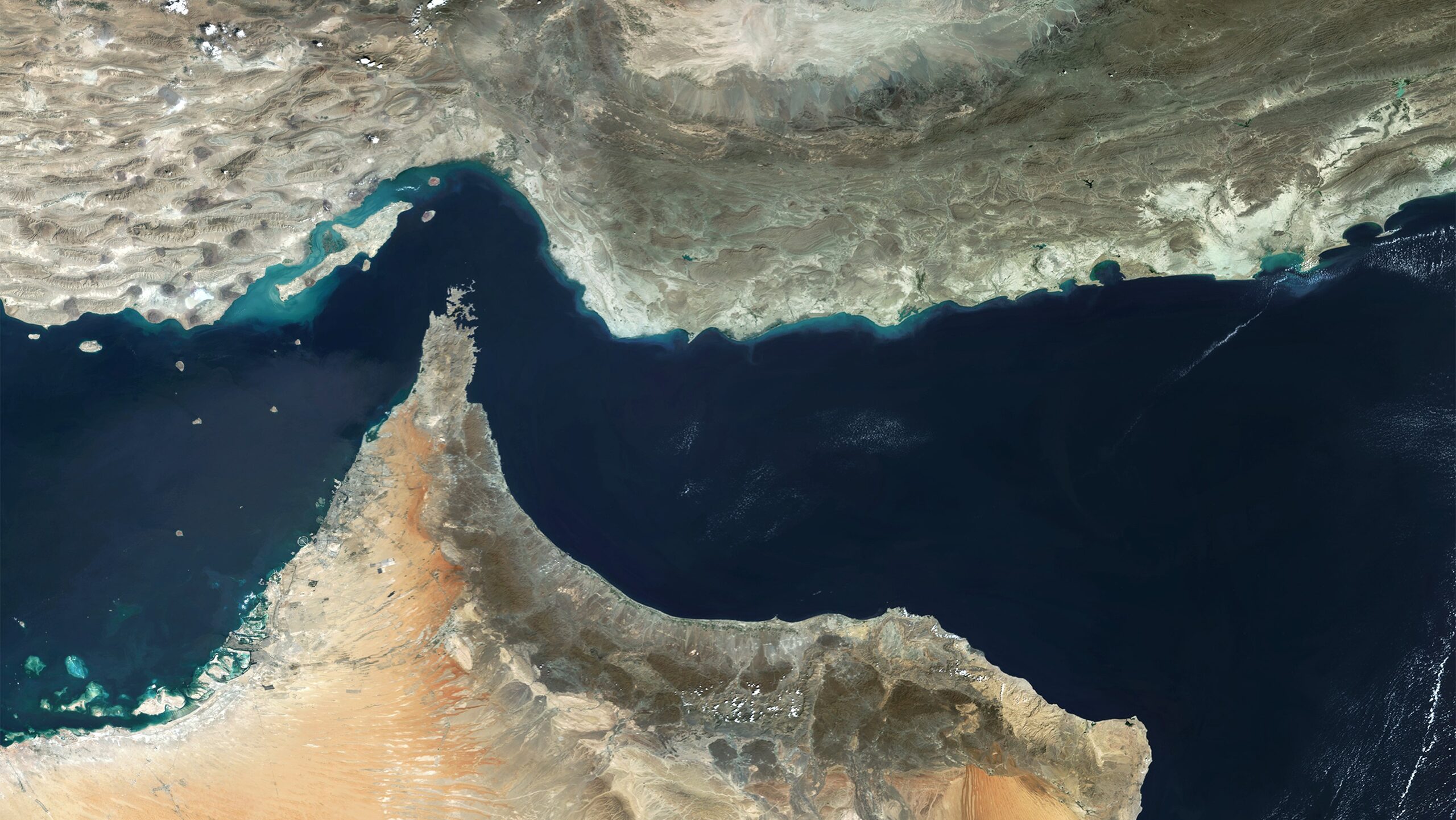
For crypto investors, the stakes are tied to the broader macroeconomic environment. Rising oil prices have consistently bolstered inflation concerns, pushing U.S. 10-year Treasury yields toward 5.11% and complicating the Federal Reserve's path for interest rates. Should the current proposal hold, a decline in crude prices could alleviate these pressures. Bitcoin, currently trading near $84,000, faces immediate resistance between $86,700 and $87,400, while Ethereum seeks to reclaim the $2,700 level after a recent rejection near $2,800. Despite the macro turbulence, institutional demand remains visible, with U.S. spot Bitcoin ETFs recording roughly $2.65 billion in net inflows over a five-day period ending September 23.
Comments (0)
No comments yet. Be the first!