
A professional inspection identifies worn components and airflow obstructions that accumulate during periods of inactivity. Technicians test heating cycles, verify safety protocols, and examine the integrity of heat pumps. Residents should proactively report inconsistent temperatures, unusual system noises, or unexplained spikes in energy consumption to provide technicians with necessary context for their evaluation.
In section Releases
Why Fall HVAC Inspections Prevent Winter Heating Failures
Dallas-Fort Worth homeowners are being urged to schedule furnace and heat pump maintenance before temperatures drop. Waiting until the first cold snap often reveals neglected mechanical issues, forcing residents into emergency repairs when service professionals are at their busiest and system reliability is most critical.
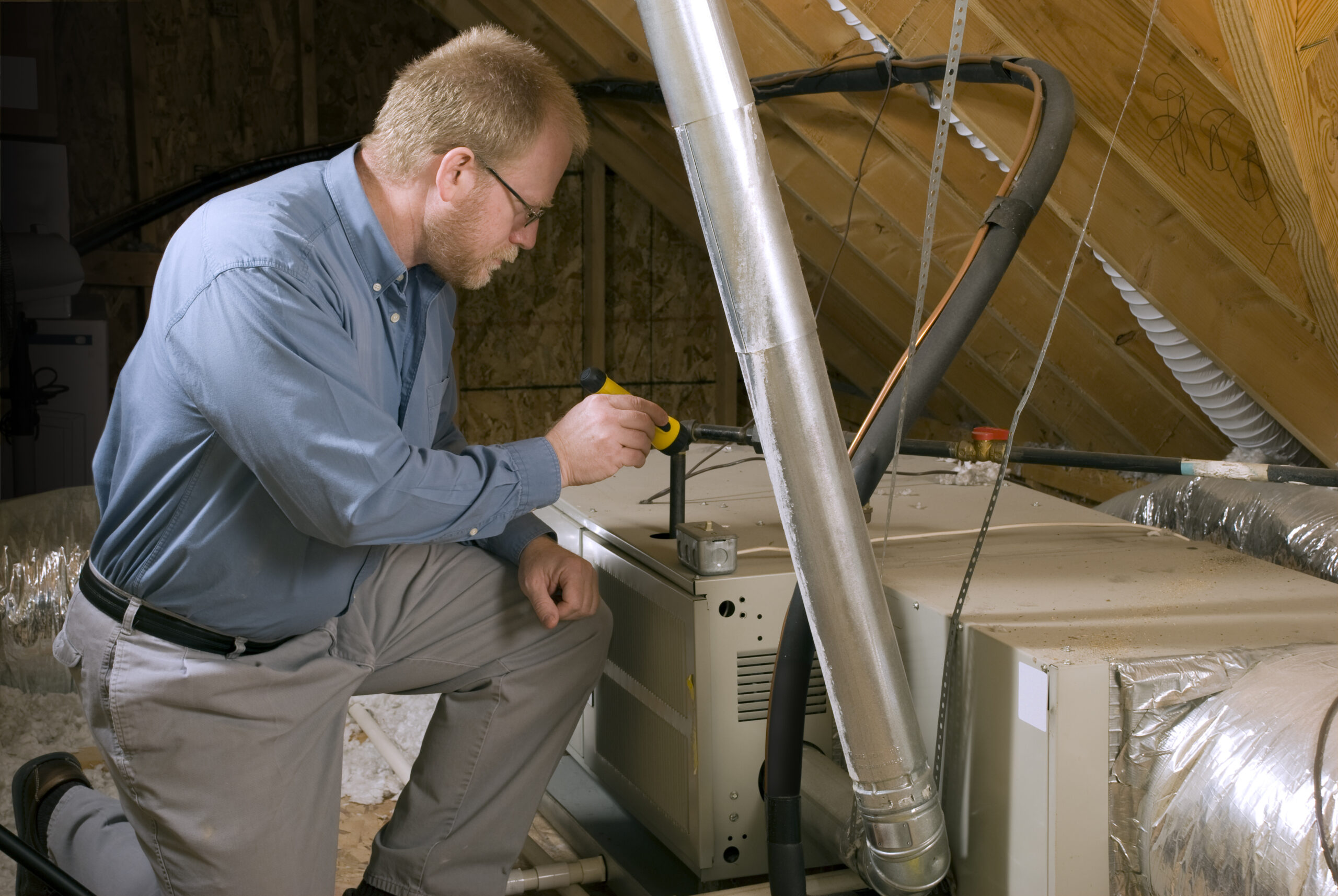
Beyond mechanical checks, basic household maintenance significantly improves heating efficiency. Clogged air filters, blocked supply registers, and obstructed return vents force systems to work harder, often mimicking the symptoms of a failing furnace. Homeowners should also inspect for drafts around doors and windows, as sealing these gaps prevents heat loss before it occurs. If specific rooms remain persistently cold, professional ductwork assessments can determine if heated air is escaping into attics or crawl spaces rather than reaching the living area. Testing thermostats now ensures that wiring, sensors, and programmed schedules are functioning before the peak of winter demand.
Comments (0)
No comments yet. Be the first!