Rights Groups Reassert Legal Right to Film ICE Agents
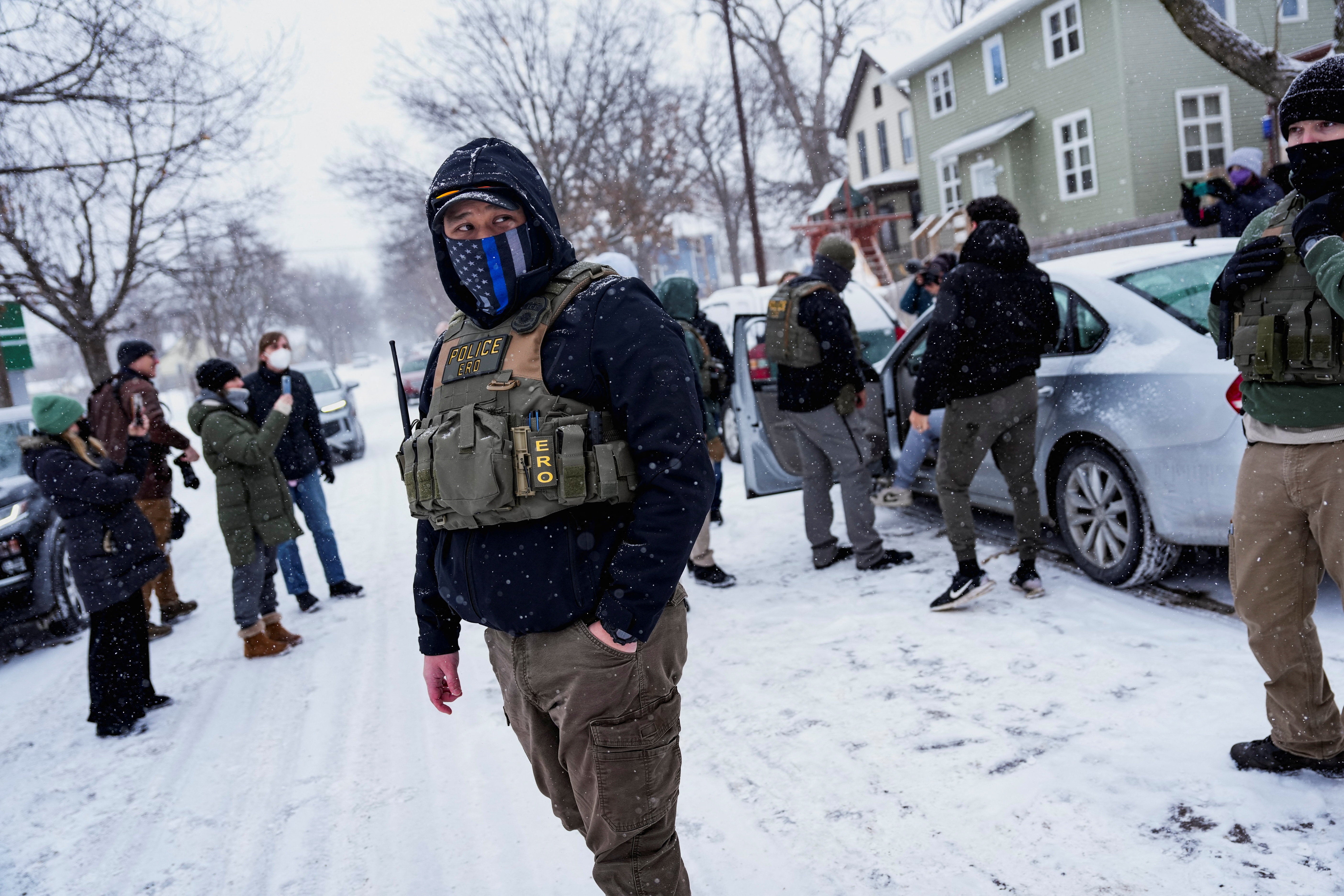
As federal agents increasingly demand that bystanders cease filming their operations, the National Coalition Against Censorship has issued a formal rebuke, reminding the public that documenting law enforcement in public spaces is a protected activity under the First Amendment, despite contrary assertions from the current administration.
By WildWeb24·October 29, 2026·2 min read·466 reads
The NCAC, representing a broad spectrum of civil rights and free expression advocates, argues that the ability to monitor government officials is a fundamental component of democratic accountability. Federal appellate courts have consistently upheld the right to record police and other government agents while they perform their duties in public, regardless of ideological leanings across different judicial circuits. Legal experts note that this protection remains robust even in the absence of an explicit Supreme Court ruling on the specific issue.
Tensions have escalated following recent incidents in cities like Minneapolis, where the Department of Homeland Security has faced sharp criticism for its official narrative surrounding the fatal shooting of Renee Nicole Good by ICE officer Johnathan Ross. Critics argue that bystander footage has been instrumental in exposing inaccuracies in official government accounts. Homeland Security Secretary Kristi Noem has further inflamed the situation by characterizing the documentation of ICE operations as a form of violence or doxing, a stance that civil libertarians warn is designed to intimidate citizens into silence.
Even within federal agencies, the directive is inconsistent. While some leadership figures have attempted to frame filming as a security threat, others, such as Border Patrol Commander Greg Bovino, have issued internal guidance acknowledging that recording is a protected activity. The coalition emphasizes that these recordings serve as a vital tool for public transparency, protecting both the citizenry and officers who act within the bounds of the law, while warning that political efforts to demonize oversight ultimately foster an environment where impunity thrives.

Comments (0)
No comments yet. Be the first!