
Aschenbrenner’s trajectory from a Columbia University valedictorian at 19 to a central figure in the AI boom was defined by his 165-page essay, "Situational Awareness." The document, which warned of a looming intelligence explosion and the necessity for massive energy and semiconductor infrastructure, attracted high-profile backers including Stripe cofounders Patrick and John Collison and former GitHub CEO Nat Friedman. Despite his intellectual credentials, his transition from the OpenAI superalignment team to managing a multi-billion dollar hedge fund lacked the traditional rigor of institutional finance.
In section Finance faces
The rapid ascent and market collapse of Leopold Aschenbrenner
Leopold Aschenbrenner, the 20-something AI theorist turned hedge fund manager, finds his firm in the midst of a public liquidation after offloading the bulk of its public equity holdings to Citadel. Once a darling of Silicon Valley, the former OpenAI researcher is now watching his $20-billion enterprise unravel under intense market scrutiny.
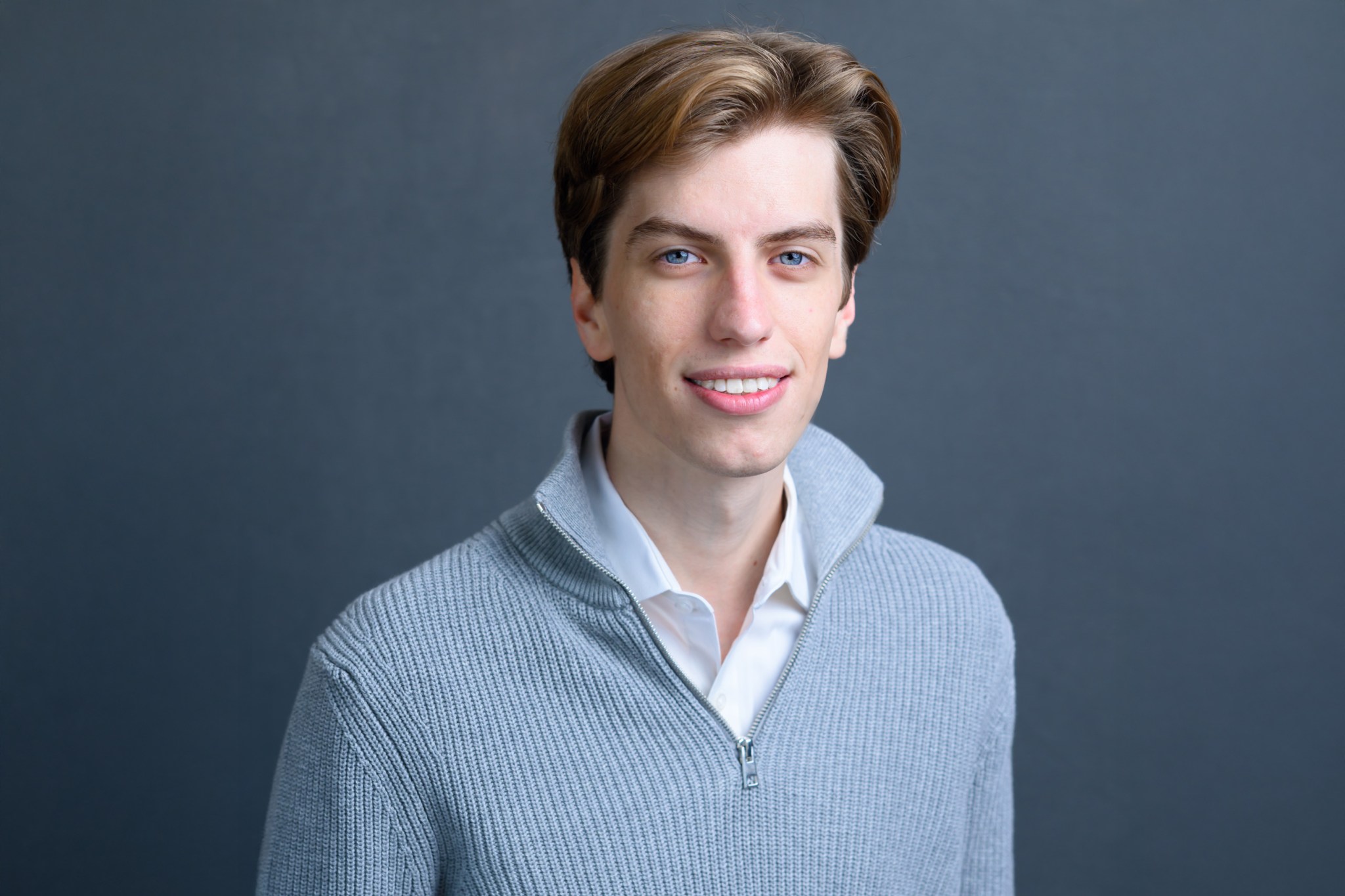
Following his 2024 departure from OpenAI over allegations of unauthorized information sharing—a claim he disputes—Aschenbrenner leveraged his status to scale his fund rapidly. With only eight employees, the firm ballooned to a $20-billion valuation, earning him comparisons to a modern-day Nostradamus. However, the market has proven less hospitable to his theoretical predictions than his venture capital peers. While the fund retains private holdings, including a stake in Anthropic, his public portfolio has been largely dismantled. Amid the digital mockery and financial fallout, Aschenbrenner remains a polarizing fixture in the tech ecosystem, bolstered by personal ties to the inner circles of Anthropic’s leadership.
Comments (0)
No comments yet. Be the first!