
The trial evaluated 368 adults and adolescents suffering from symptomatic and uncontrolled eosinophilic esophagitis, a chronic disorder where the esophagus becomes inflamed, causing persistent pain and food impaction. Researchers measured success through two co-primary endpoints: histologic remission, indicated by a reduction in eosinophil counts in esophageal tissue, and patient-reported improvements in dysphagia symptoms. Participants receiving the subcutaneous treatment met these benchmarks at week 24, with benefits remaining consistent through the one-year mark.
In section Releases
Tezspire Succeeds in Phase 3 Trial for Eosinophilic Esophagitis
Amgen and AstraZeneca’s Phase 3 CROSSING trial shows that the biologic drug Tezspire significantly reduces inflammation and improves swallowing difficulties in patients with eosinophilic esophagitis. The results, sustained through 52 weeks, position the therapy as a potential new option for those who fail to respond to standard dietary or steroid treatments.
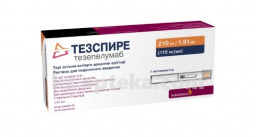
For the estimated 470,000 people in the U.S. living with this condition, the findings offer a significant shift in outlook. Current first-line interventions—including restrictive diets and proton pump inhibitors—often fall short, leaving nearly half of the patient population without adequate disease control. Dr. Arjan Bredenoord, the trial's primary investigator, noted that the data demonstrates the potential for a new approach to managing the daily burden of the disease. Amgen and AstraZeneca plan to present the full findings to regulatory authorities and at upcoming scientific meetings.
Comments (0)
No comments yet. Be the first!