
The Wide Field Instrument acts as the mission's centerpiece, utilizing a specialized assembly designed by BAE Systems to maintain thermal and structural stability in the harsh vacuum of space. This suite of optics, precision electronics, and cooling systems allows the telescope to capture a field of view 100 times larger than the Hubble Space Telescope. Consequently, researchers expect to survey the cosmos 1,000 times faster than previous flagship missions, mapping billions of objects to track the evolution of galaxies and the distribution of exoplanets.
In section Releases
NASA Launches Roman Space Telescope to Expand Cosmic Mapping
From the launch pads of Kennedy Space Center, NASA’s Nancy Grace Roman Space Telescope has ascended into orbit, marking a new era in deep-space observation. BAE Systems, the mission’s primary industrial partner, provided the complex opto-mechanical architecture required to stabilize the observatory’s wide-field scientific instruments during its multi-year survey.
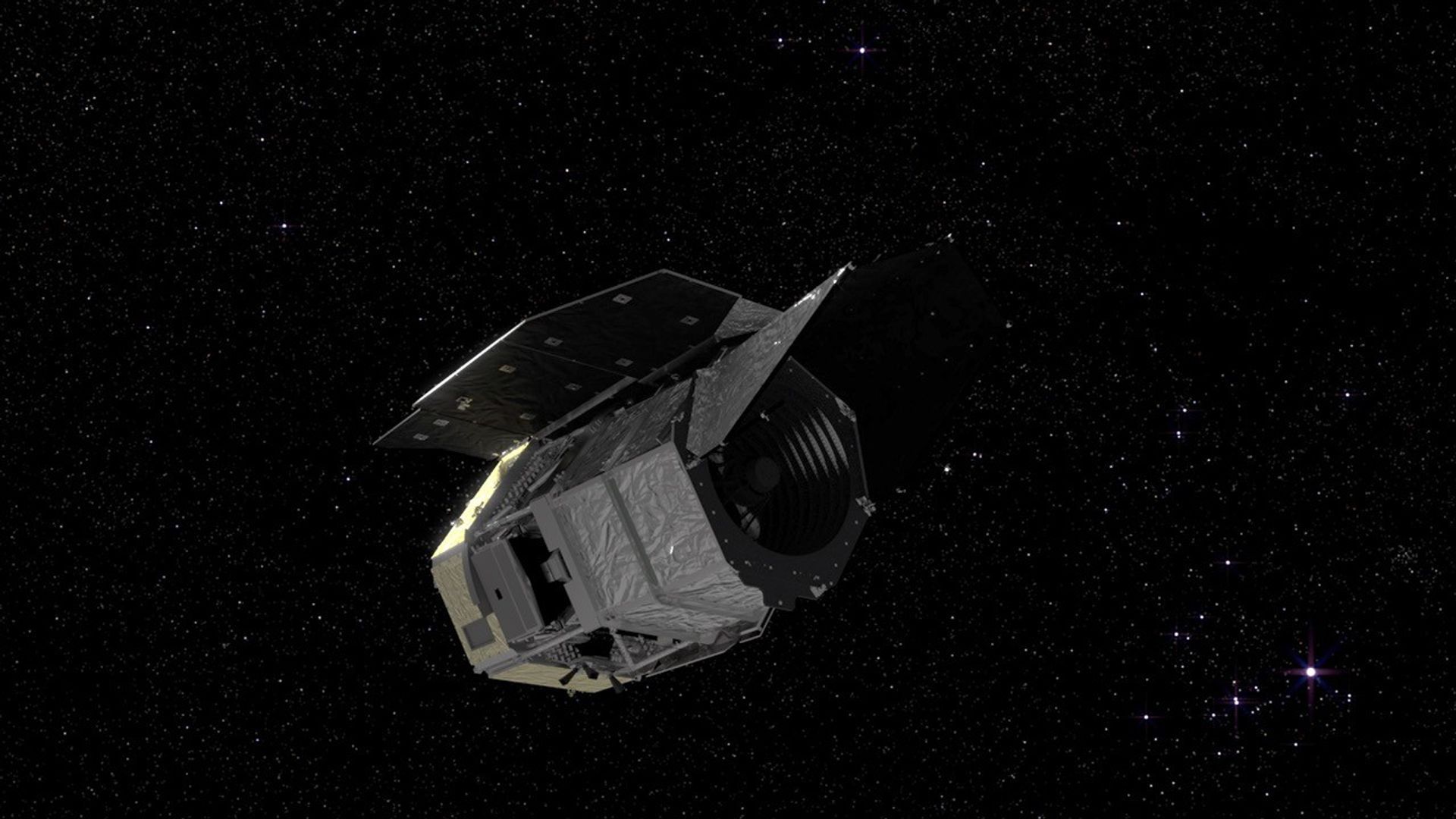
Bonnie Patterson, vice president of Civil Space at BAE Systems, noted that the mission builds upon a legacy of support for Hubble and the James Webb Space Telescope. Beyond the current mission, the company is already pivoting toward the Habitable Worlds Observatory. This future concept focuses on the search for life, utilizing picometer-capable mirror technology currently under development through the ULTRA research initiative to achieve the extreme sensitivity required to image Earth-like planets orbiting distant stars.
Comments (0)
No comments yet. Be the first!