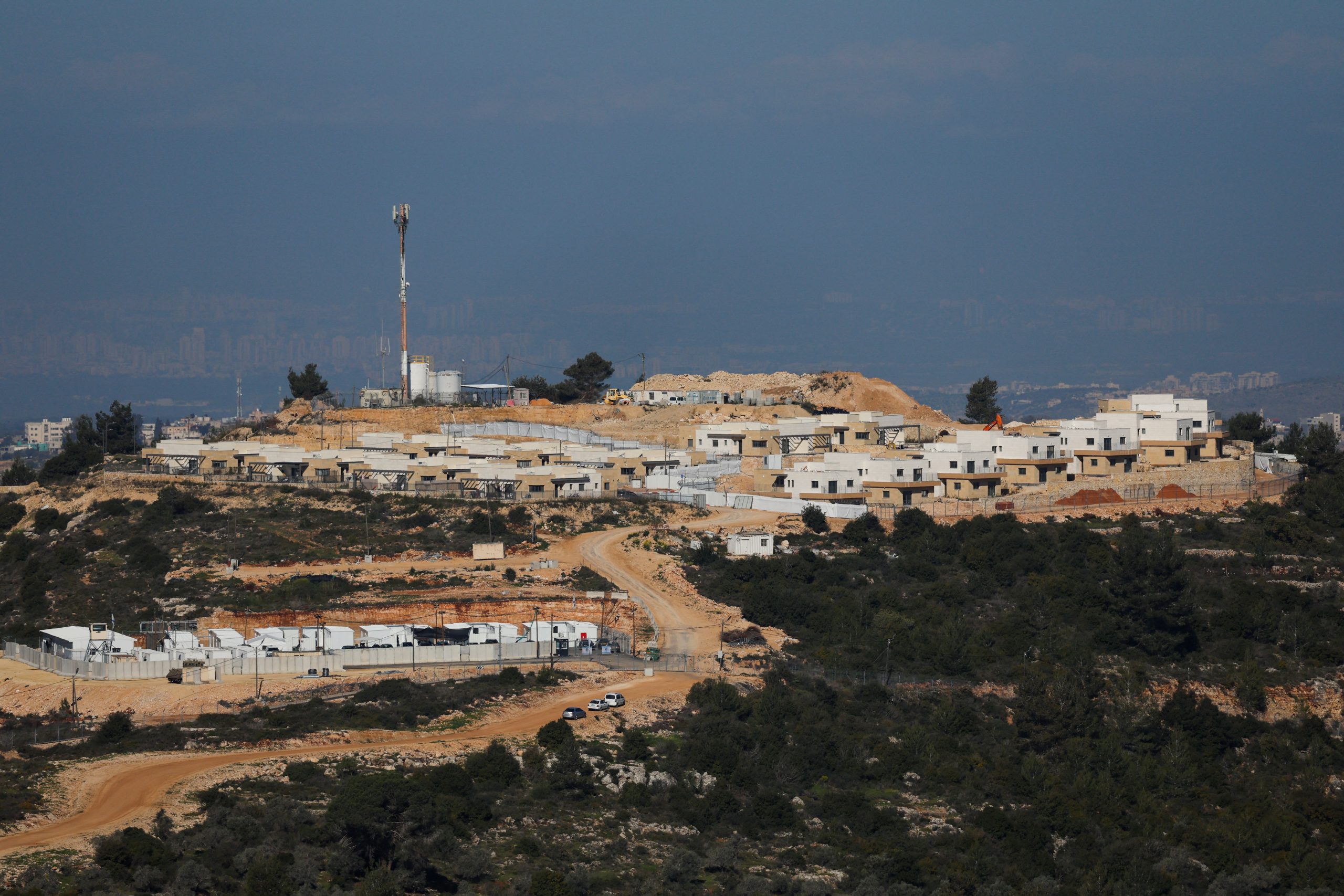
A coalition of Western powers led by the UK, France, and Canada announced a coordinated effort on Tuesday to block trade with illegal Israeli settlements in the West Bank, signaling a sharp shift in diplomatic policy as violence against Palestinians reaches what officials describe as an unprecedented scale.
UK Foreign Secretary Ed Miliband framed the move as a necessary intervention to prevent the permanent destruction of a two-state solution. In a speech to the House of Commons, Miliband accused the Israeli government of facilitating the displacement of communities to create irreversible facts on the ground. The British government intends to target specific companies and individuals providing infrastructure, financing, or real estate services to settlement projects, with sanctions expected to take effect within six to nine months.
France and Canada are aligning with this stance, joining a growing group of nations including Ireland, Spain, Belgium, and Norway that have either enacted or are drafting similar trade restrictions. French Foreign Minister Jean-Noël Barrot warned that his country cannot support trade that threatens regional stability, noting that the West Bank stands on the brink of collapse due to the expansion of colonization.
While international advocates have welcomed the measures as a long-overdue response to public pressure, critics argue the scope remains insufficient. Omar Barghouti of the BDS movement dismissed the move as performative, urging deeper accountability for broader human rights allegations. Meanwhile, the announcement triggered sharp backlash from Israeli officials and US representatives. Israel’s National Security Minister Itamar Ben-Gvir called for the closure of the British consulate in East Jerusalem, while US Ambassador to Israel Mike Huckabee condemned the policy as discriminatory, suggesting that American states might pursue retaliatory trade boycotts against the UK.

Comments (0)
No comments yet. Be the first!