
Wang Guanhua, spokesperson for the National Bureau of Statistics, emphasized that headline growth rates no longer capture the full picture of the country's economic health. Despite the cooling in total spending—which reached 29.3 trillion yuan or $4.33 trillion—the composition of that capital is shifting to favor long-term productivity. Investment in intellectual property products rose 9.2%, with computer software and R&D spending dominating that segment. This transition reflects a deliberate move to turn scientific breakthroughs into industrial reality, supporting the ongoing shift from traditional growth models to high-quality development.
In section Releases
China pivots investment strategy toward high-tech and infrastructure
A 7.2% decline in fixed-asset investment across China during the first eight months of 2026 masks a fundamental pivot in the nation's economic engine. While traditional construction projects faltered under extreme weather and market caution, capital is aggressively migrating toward innovation, high-tech manufacturing, and modernized infrastructure.
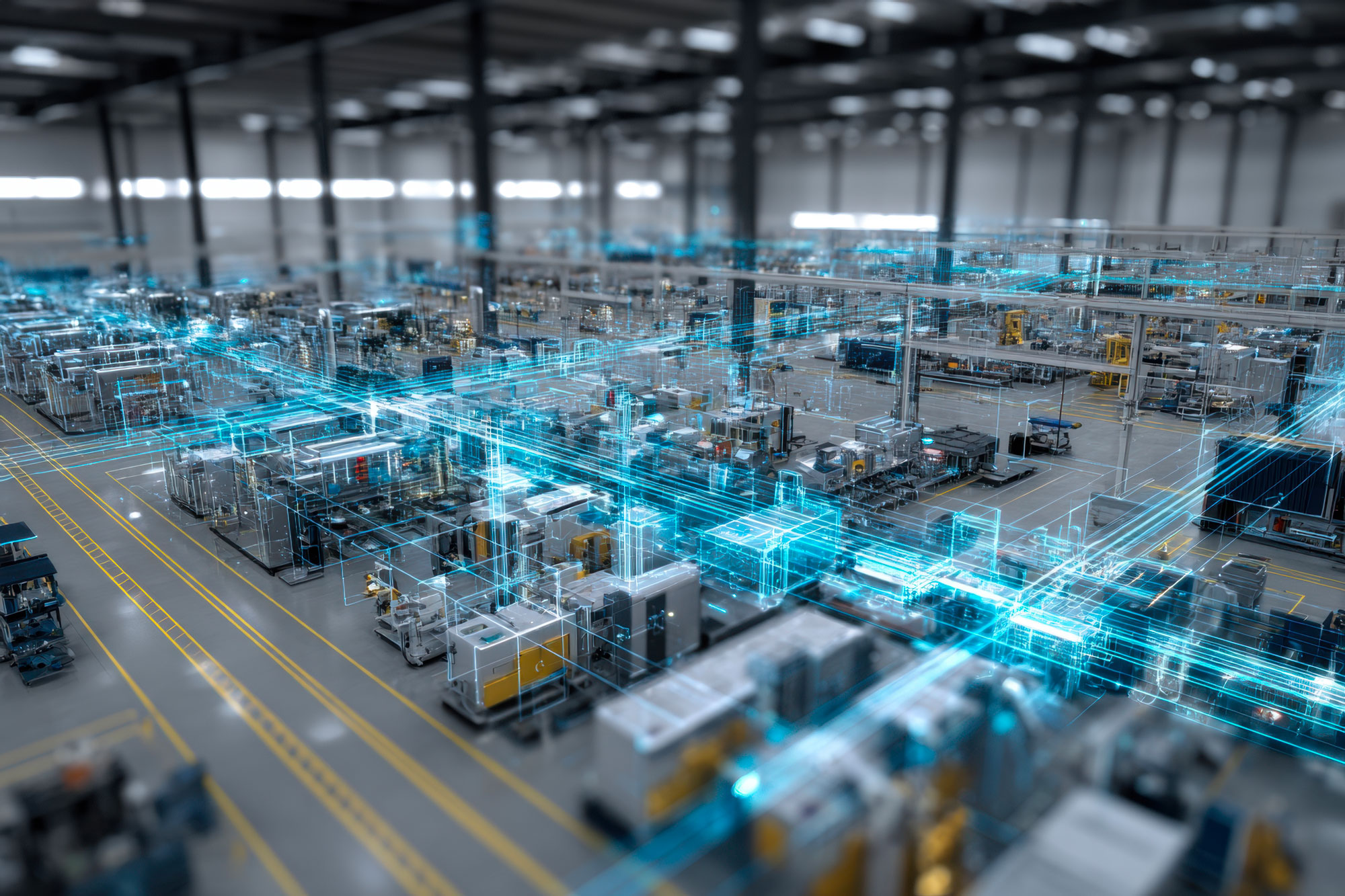
High-tech manufacturing remains a primary beneficiary of this reallocation, with investment in the sector accelerating for three consecutive months. Integrated circuit production saw a 12% increase, while lithium-ion battery manufacturing surged 20.6%, driven by the global appetite for new-energy vehicles and energy storage solutions. Simultaneously, equipment purchase investment climbed 9.3%, a direct result of national renewal initiatives. Large-scale infrastructure is also evolving; the "six networks" plan—covering everything from computing power to urban pipelines—is prioritizing connectivity. Internet and related services saw a 42% spike in investment, underscoring a rapid expansion of the digital backbone as China enters its 15th Five-Year Plan period.
Comments (0)
No comments yet. Be the first!