
The election arrives as the Central Bank solidifies its grip on digital assets. Under the current administration, authorities have implemented a stringent framework, requiring virtual-asset providers to secure official authorization and adhere to rigorous anti-money laundering protocols. Recent measures, including Resolution 588, mandate reporting on transfers exceeding $10,000 involving self-custody wallets, a move that has already prompted some international firms to reassess their local footprint.
In section Cryptocurrency
Brazil's Crypto Future Hangs on Presidential Ballot
As Brazil heads to the polls on October 4, the nation’s burgeoning crypto sector—currently ranked first in global adoption—faces a period of regulatory uncertainty. With President Luiz Inácio Lula da Silva and challenger Flávio Bolsonaro locked in a tight race, the industry awaits signals on whether current oversight will persist.
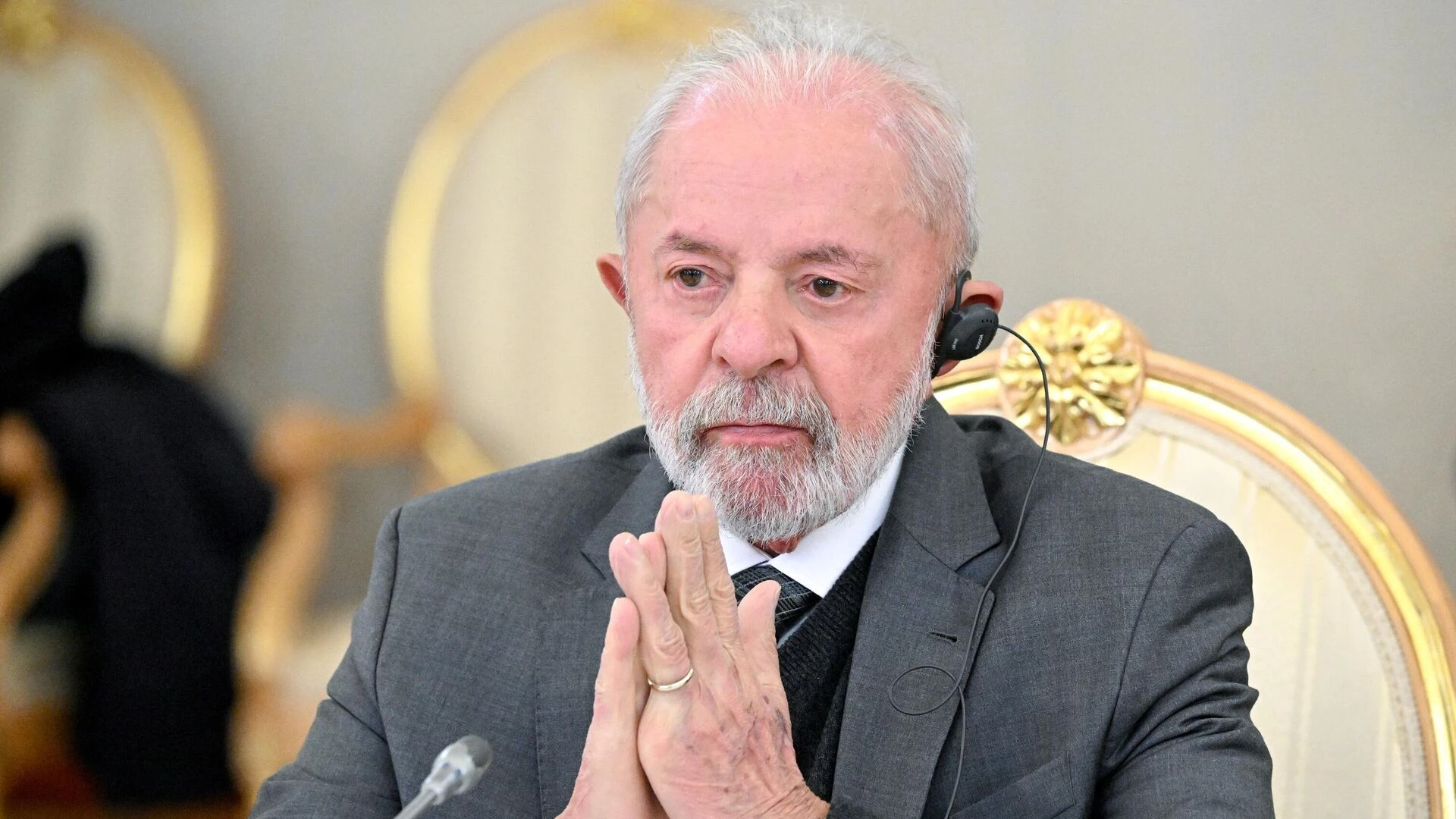
While the regulatory perimeter has expanded significantly, the path forward remains opaque. Bolsonaro’s official platform emphasizes a broad "regulatory repeal" effort, yet it lacks specific language regarding digital assets. This creates a sharp contrast with the incumbent’s track record of active, centralized oversight. Regardless of the outcome, the regulatory calendar is set to tighten further, with new restrictions on dealings with unauthorized providers taking effect in November and enhanced proof-of-reserve requirements slated for early 2027. With Chainalysis estimating Brazil’s crypto activity at $252.5 billion, the stakes for both domestic exchanges and the global market are substantial.
Comments (0)
No comments yet. Be the first!